 EN
EN
Advanced Multi-Burner Configuration Technology
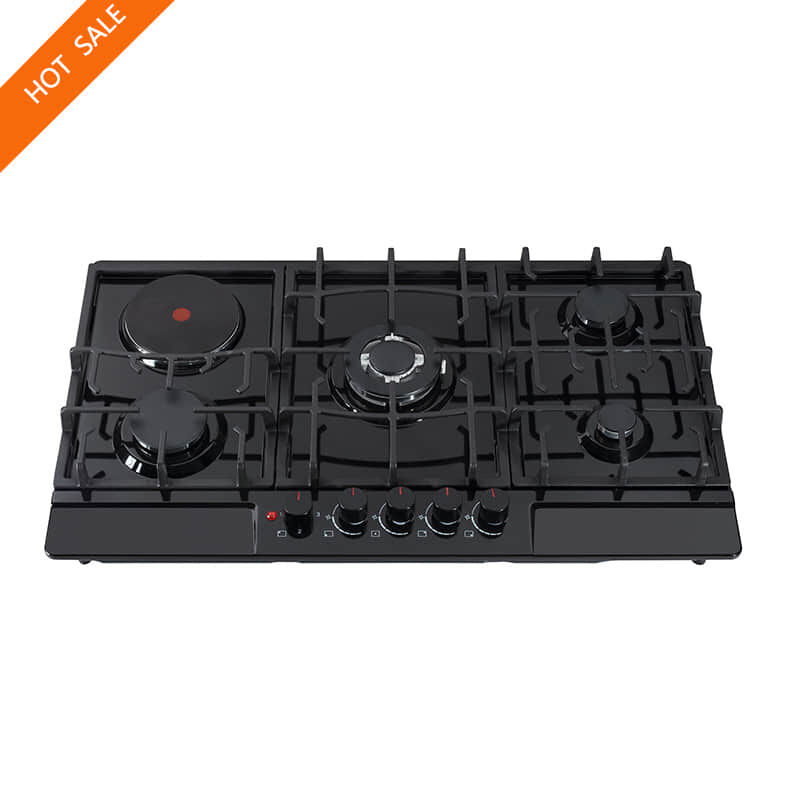
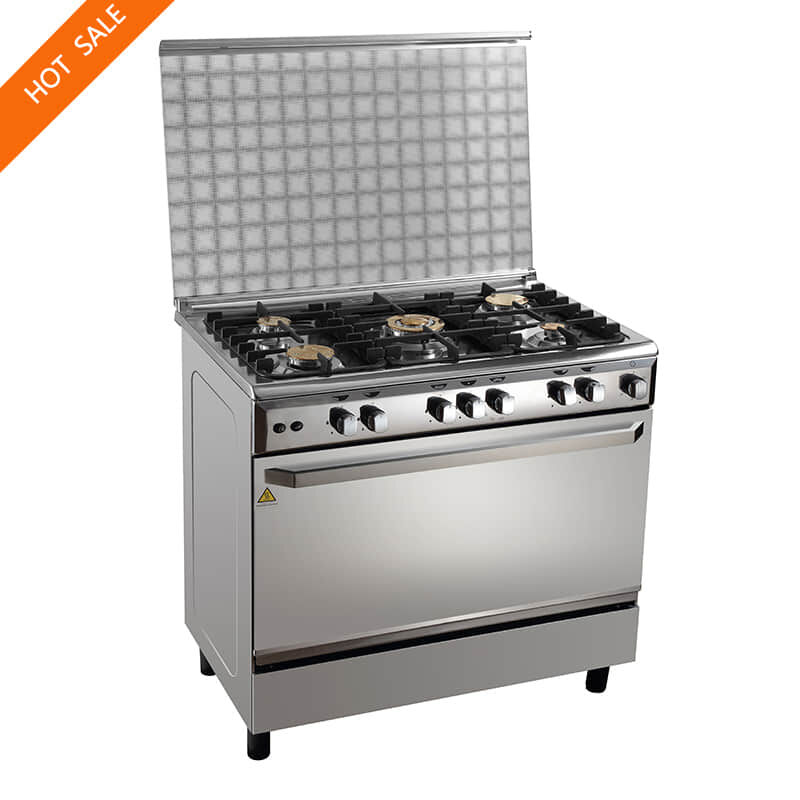
The sophisticated multi-burner configuration technology employed by leading 5 burner gas hobs manufacturer companies represents a pinnacle of engineering excellence in cooking appliance design. This innovative approach involves strategically positioning five individual gas burners to maximize cooking space utilization while ensuring optimal performance across all units simultaneously. The technology incorporates varying burner sizes and heat output capabilities, typically featuring high-output burners for rapid boiling and searing, medium burners for general cooking tasks, and specialized simmer burners for delicate preparations. Advanced manufacturers integrate proprietary burner head designs that enhance gas-to-air mixing ratios, resulting in more efficient combustion and reduced emissions. The configuration technology includes precision-engineered gas distribution systems that maintain consistent pressure across all burners, ensuring reliable ignition and stable flame characteristics regardless of simultaneous usage patterns. Modern 5 burner gas hobs manufacturer implementations feature sealed burner systems that prevent spills from reaching internal components, enhancing both safety and maintenance convenience. The technological advancement extends to flame control mechanisms that provide precise adjustment capabilities, allowing users to achieve exact temperature requirements for various cooking techniques. This multi-burner configuration technology enables professional-level cooking performance in residential settings, accommodating complex meal preparations that require multiple cooking methods simultaneously. The engineering excellence behind this technology ensures even heat distribution, reduces hot spots, and maintains consistent cooking temperatures across different burner zones. Quality manufacturers incorporate automatic re-ignition systems that detect flame extinguishment and immediately restart the burner, ensuring uninterrupted cooking processes. The durability aspects of this technology include corrosion-resistant materials, high-temperature tolerant components, and robust construction that withstands intensive daily use while maintaining optimal performance standards.