Modern Gas Stove: Advanced Cooking Technology for Professional Results

All Categories

modern gas stove

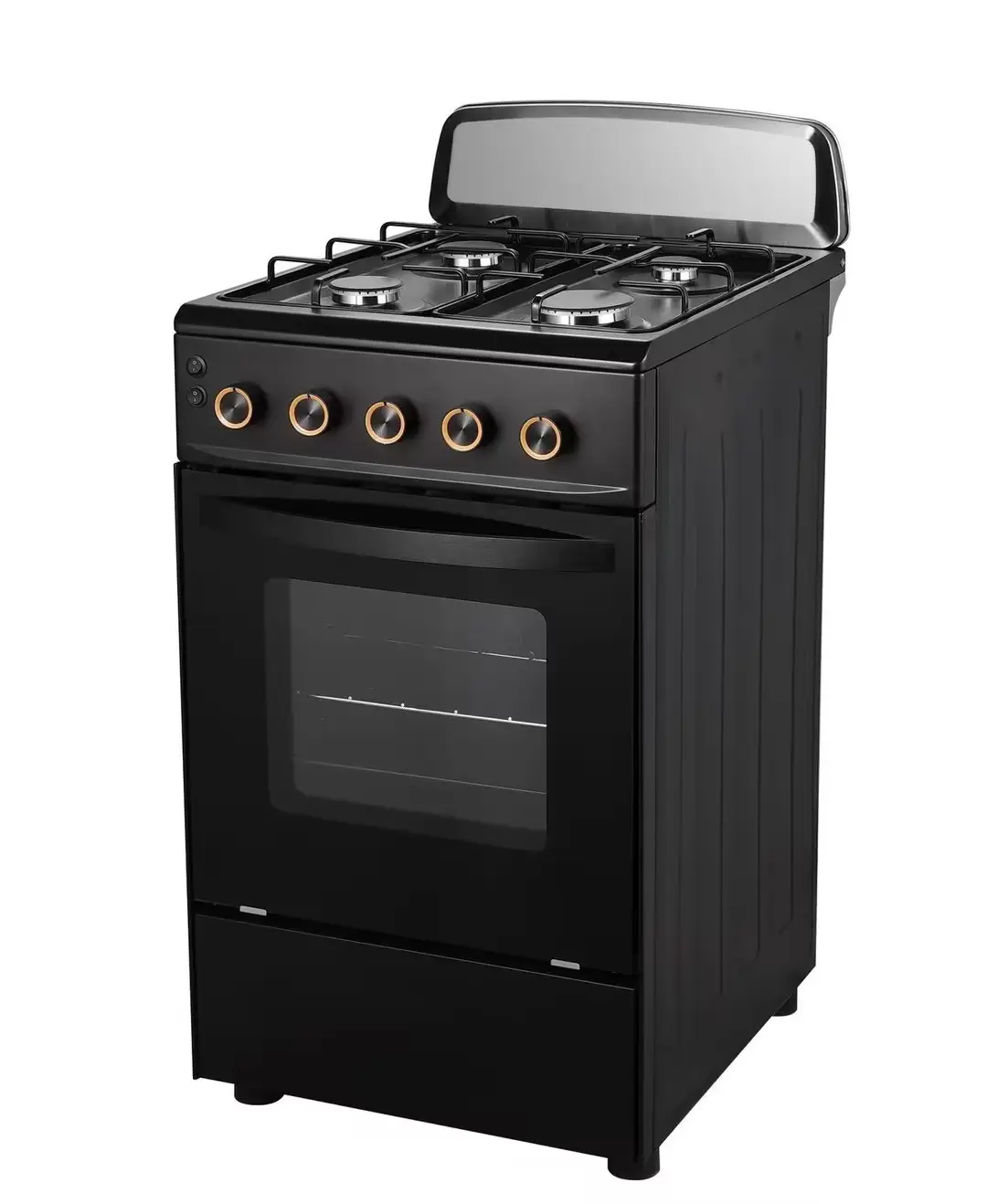
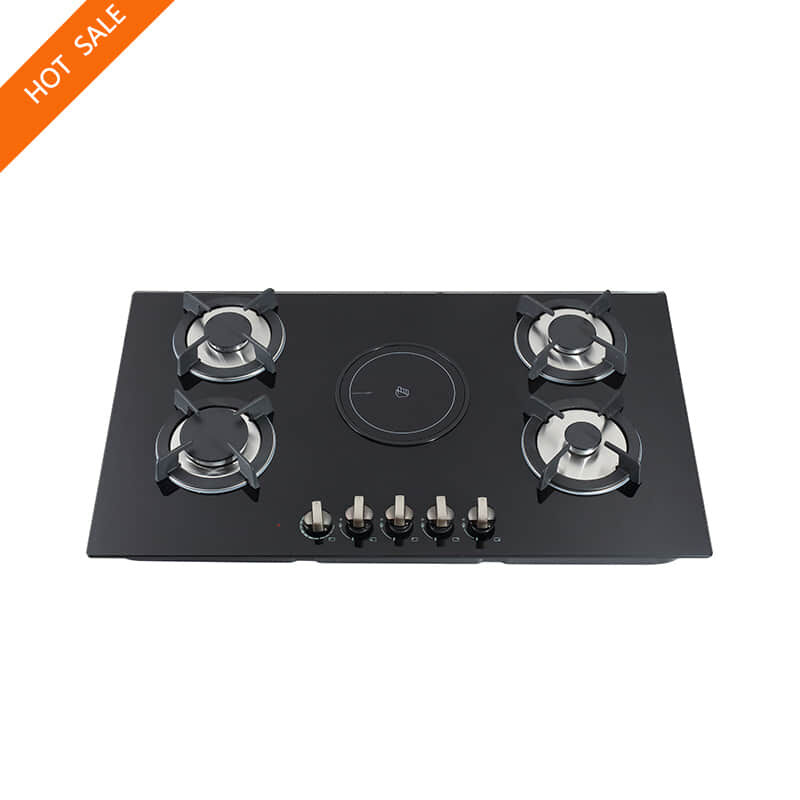
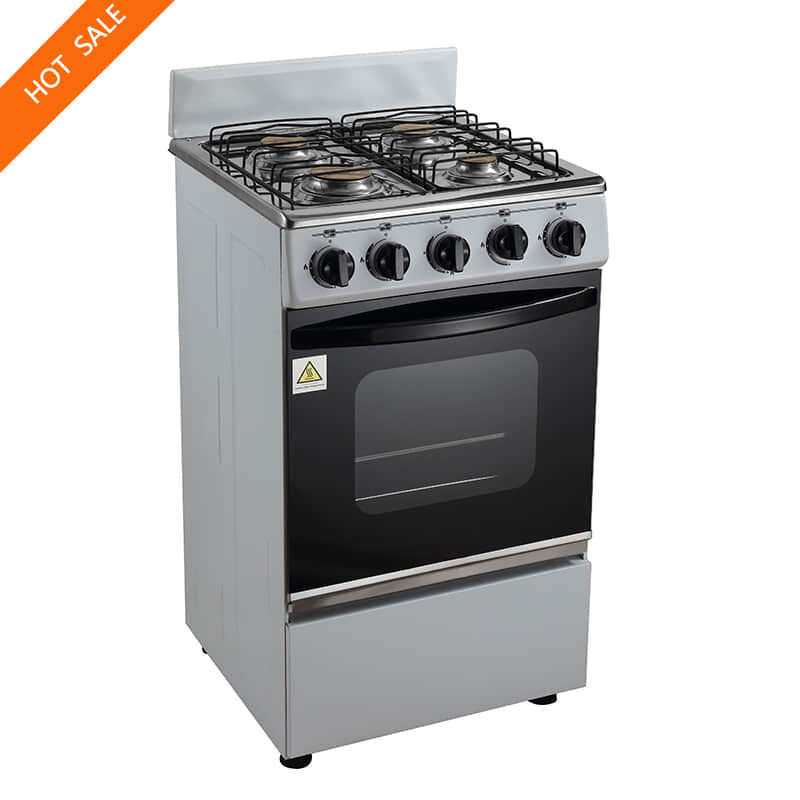
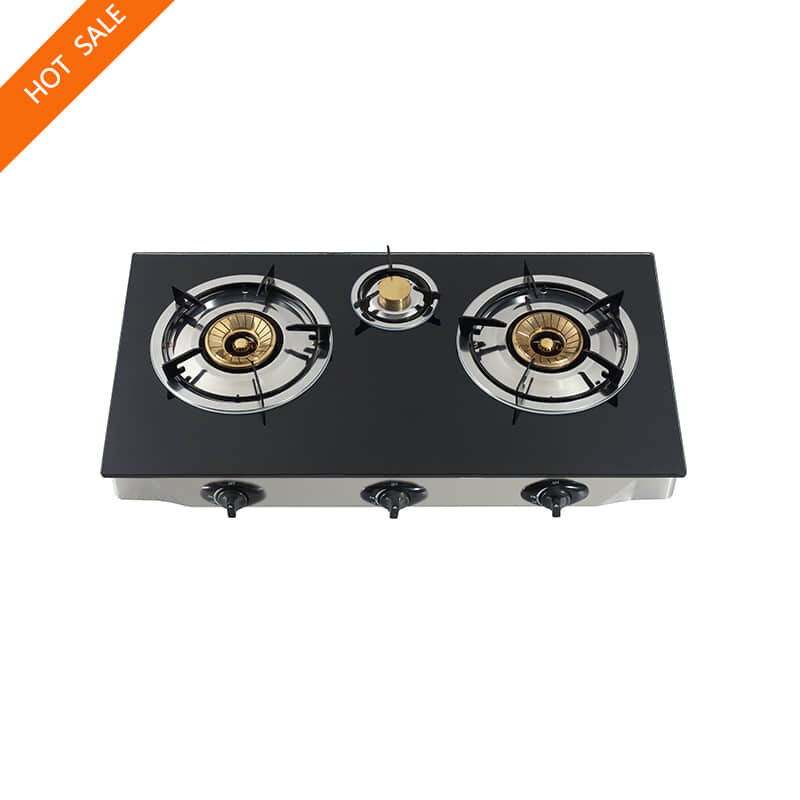
The modern gas stove represents a significant evolution in cooking technology, combining traditional flame-based cooking with contemporary design and safety features. Today's gas stoves feature sophisticated engineering that delivers precise temperature control, energy efficiency, and enhanced safety mechanisms. These appliances typically include multiple burners of varying sizes, allowing users to accommodate different cookware and cooking methods simultaneously. The modern gas stove incorporates electronic ignition systems that eliminate the need for pilot lights, reducing gas consumption and improving safety. Most contemporary models feature sealed burners that prevent spills from reaching internal components, making cleanup easier and maintaining appliance hygiene. The cooking surface often consists of heavy-duty grates made from cast iron or porcelain-coated materials that distribute heat evenly and withstand high temperatures. Advanced models include programmable timers, digital displays, and smart connectivity features that allow remote monitoring and control. The modern gas stove typically offers instant heat adjustment, enabling cooks to transition from high-heat searing to gentle simmering with immediate response. Safety features include automatic shut-off valves, flame failure protection, and child safety locks. Many units incorporate continuous grates that allow cookware to slide smoothly across burners without lifting heavy pots and pans. The modern gas stove serves residential kitchens, professional restaurants, outdoor cooking spaces, and recreational vehicles. These versatile appliances accommodate various cooking techniques including boiling, frying, sautéing, simmering, and flame-grilling. The technology behind the modern gas stove ensures consistent performance, reliable ignition, and optimal fuel utilization, making it an essential appliance for serious cooking enthusiasts and professional chefs alike.


New Product Releases

The modern gas stove offers numerous compelling advantages that make it a preferred choice for cooking enthusiasts and professional chefs worldwide. First, the modern gas stove provides instant heat control, allowing users to adjust flame intensity immediately without waiting for heating elements to warm up or cool down. This responsive temperature management enables precise cooking techniques that require quick adjustments, such as stir-frying or delicate sauce preparation. The modern gas stove delivers superior heat distribution through direct flame contact, ensuring even cooking results across the bottom of cookware. Unlike electric alternatives, gas burners heat cookware directly, eliminating heat transfer delays and providing more efficient energy utilization. The modern gas stove operates independently of electrical power, making it reliable during power outages and suitable for locations with unstable electricity supply. Users can continue cooking normally even when electrical systems fail, ensuring meal preparation remains uninterrupted. Cost-effectiveness represents another significant advantage of the modern gas stove, as natural gas typically costs less than electricity for equivalent cooking energy. This economic benefit translates to lower monthly utility bills and long-term savings for households that cook frequently. The modern gas stove offers visual flame indicators that allow cooks to gauge heat levels intuitively, unlike electric burners that provide no immediate visual feedback about temperature settings. Professional chefs particularly appreciate this visual cooking cue for achieving optimal results. Maintenance requirements for the modern gas stove remain relatively simple, involving basic cleaning of grates, burner caps, and surfaces without complex electrical components that might require professional servicing. The modern gas stove provides excellent cookware compatibility, working effectively with various materials including stainless steel, cast iron, carbon steel, and copper without specific requirements for magnetic properties. Installation flexibility allows the modern gas stove to function in diverse kitchen layouts and housing situations, from urban apartments to rural homes with propane connections. Environmental considerations favor the modern gas stove in regions where natural gas production generates lower carbon emissions compared to electricity from fossil fuel power plants.

Tips And Tricks

Holden has actively participated in the Canton

12

Feb

Holden has actively participated in the Canton

View More
Holden updates stoves with new packaging

12

Feb

Holden updates stoves with new packaging

View More
A new generation of stoves from Holden

12

Feb

A new generation of stoves from Holden

View More

Get a Free Quote

Our representative will contact you soon.
Email
Mobile/Whatsapp
Name
Company Name
Quantity
Message
0/1000

modern gas stove

Advanced Electronic Ignition and Safety Systems

Advanced Electronic Ignition and Safety Systems

The modern gas stove incorporates sophisticated electronic ignition technology that revolutionizes the cooking experience through enhanced safety, convenience, and efficiency. This advanced ignition system eliminates traditional pilot lights that continuously consume gas, instead utilizing piezo-electric or battery-powered spark generators to ignite burners on demand. When users turn control knobs, the modern gas stove automatically generates sparks that instantly ignite the gas flow, ensuring reliable startup every time. This technology significantly reduces gas waste and eliminates the safety concerns associated with continuously burning pilot flames. The electronic ignition system in the modern gas stove features multiple safety mechanisms, including flame failure devices that automatically shut off gas supply if flames extinguish unexpectedly due to wind, spills, or other factors. This critical safety feature prevents dangerous gas accumulation that could lead to accidents or health hazards. Many models of the modern gas stove include automatic re-ignition capabilities that attempt to relight burners if flames go out temporarily, maintaining cooking continuity. The ignition system typically includes individual spark generators for each burner, ensuring that lighting one burner does not affect others and providing redundancy for continued operation if one ignition component fails. Advanced models of the modern gas stove feature electronic controls with digital displays that show precise temperature settings, cooking timers, and system status indicators. These digital interfaces allow users to program specific cooking sequences, set automatic shut-off times, and monitor cooking progress remotely through smartphone applications. The electronic systems in the modern gas stove often include diagnostic capabilities that alert users to maintenance needs, gas supply issues, or component malfunctions before they become serious problems. This predictive maintenance feature helps ensure optimal performance and extends appliance lifespan while maintaining safety standards. The integration of electronic ignition with smart home systems allows the modern gas stove to communicate with other kitchen appliances, enabling coordinated cooking sequences and energy management optimization throughout the kitchen environment.
Precision Heat Control and Professional-Grade Performance

Precision Heat Control and Professional-Grade Performance

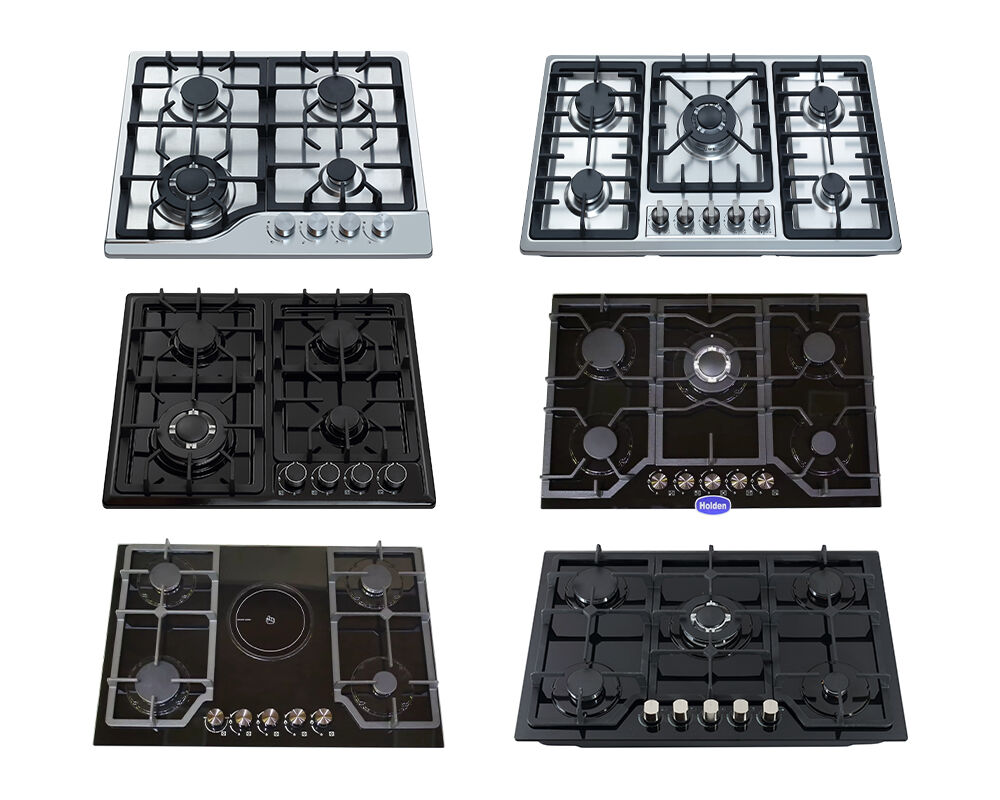
The modern gas stove delivers unparalleled precision in heat control that transforms cooking from guesswork into an exact science, providing professional-grade performance for home and commercial kitchens alike. This exceptional control capability stems from the direct flame heating method that responds instantaneously to adjustment commands, allowing cooks to fine-tune temperatures with remarkable accuracy. The modern gas stove typically features multiple burner configurations, including high-output burners for rapid boiling and searing, medium burners for general cooking tasks, and low simmer burners for delicate preparations requiring gentle heat. This versatility enables simultaneous preparation of multiple dishes requiring different heat levels, maximizing cooking efficiency and meal coordination. The flame control system in the modern gas stove provides infinite adjustment between minimum and maximum settings, unlike electric cooktops that operate in discrete heat level steps. This continuous control range allows cooks to achieve exact temperatures needed for specialized techniques such as tempering chocolate, reducing sauces, or maintaining precise oil temperatures for frying. Professional chefs particularly value the modern gas stove for its ability to create temperature gradients across cooking surfaces, enabling techniques like sliding pans between different heat zones for optimal cooking results. The immediate heat response of the modern gas stove eliminates the thermal lag time associated with electric heating elements, allowing instant transitions from high heat searing to gentle warming without waiting periods. This responsiveness proves crucial for cooking methods that require rapid temperature changes, such as stir-frying, flambéing, or deglazing. The modern gas stove produces higher maximum heat output compared to standard electric cooktops, enabling professional-level high-temperature cooking techniques that create superior flavors through proper caramelization and Maillard reactions. The visual flame feedback provided by the modern gas stove allows experienced cooks to gauge heat levels intuitively, developing cooking instincts that improve culinary skills over time. Many professional-grade models of the modern gas stove include specialized features such as infrared burners for intense direct heat, wok rings for authentic Asian cooking, and griddle attachments for versatile cooking surface options.
Energy Efficiency and Environmental Sustainability

Energy Efficiency and Environmental Sustainability

The modern gas stove exemplifies energy efficiency and environmental responsibility through advanced combustion technology and sustainable fuel utilization that benefits both users and the planet. This efficiency advantage begins with the direct heat transfer method employed by the modern gas stove, where flames directly contact cookware bottoms, eliminating energy losses associated with heating intermediate elements like electric coils or ceramic surfaces. Studies demonstrate that the modern gas stove converts approximately 40-55 percent of fuel energy directly into cooking heat, compared to electric stoves that lose significant energy through heat transfer inefficiencies and electrical grid transmission losses. The precise control capabilities of the modern gas stove contribute to energy conservation by allowing users to apply exactly the heat needed for specific cooking tasks, preventing energy waste from overshooting temperature requirements or extended heating times. Modern gas stove burners feature optimized flame patterns and air mixing ratios that ensure complete fuel combustion, minimizing unburned gas emissions and maximizing heat output efficiency. The instant-on, instant-off capability of the modern gas stove eliminates standby energy consumption that affects electric appliances, resulting in zero energy usage when not actively cooking. Natural gas, the primary fuel for the modern gas stove, burns cleaner than many alternative cooking fuels, producing lower carbon dioxide emissions per unit of cooking energy compared to electricity generated from coal or oil-fired power plants. The environmental impact of the modern gas stove varies by regional energy sources, but in areas with abundant natural gas resources or renewable gas production, these appliances can significantly reduce cooking-related carbon footprints. Advanced models of the modern gas stove incorporate condensing technology that captures and utilizes waste heat from combustion gases, further improving overall efficiency ratings. The durability and longevity of the modern gas stove contribute to environmental sustainability by reducing appliance replacement frequency and associated manufacturing environmental impacts. Maintenance requirements for the modern gas stove typically involve simple cleaning and occasional component replacement, generating less electronic waste compared to complex electric appliances with sensitive electronic controls. Many manufacturers now produce modern gas stove models using recycled materials and design components for end-of-life recyclability, supporting circular economy principles and reducing environmental impact throughout the product lifecycle.

Get a Free Quote

Our representative will contact you soon.
Email
Mobile/Whatsapp
Name
Company Name
Quantity
Message
0/1000