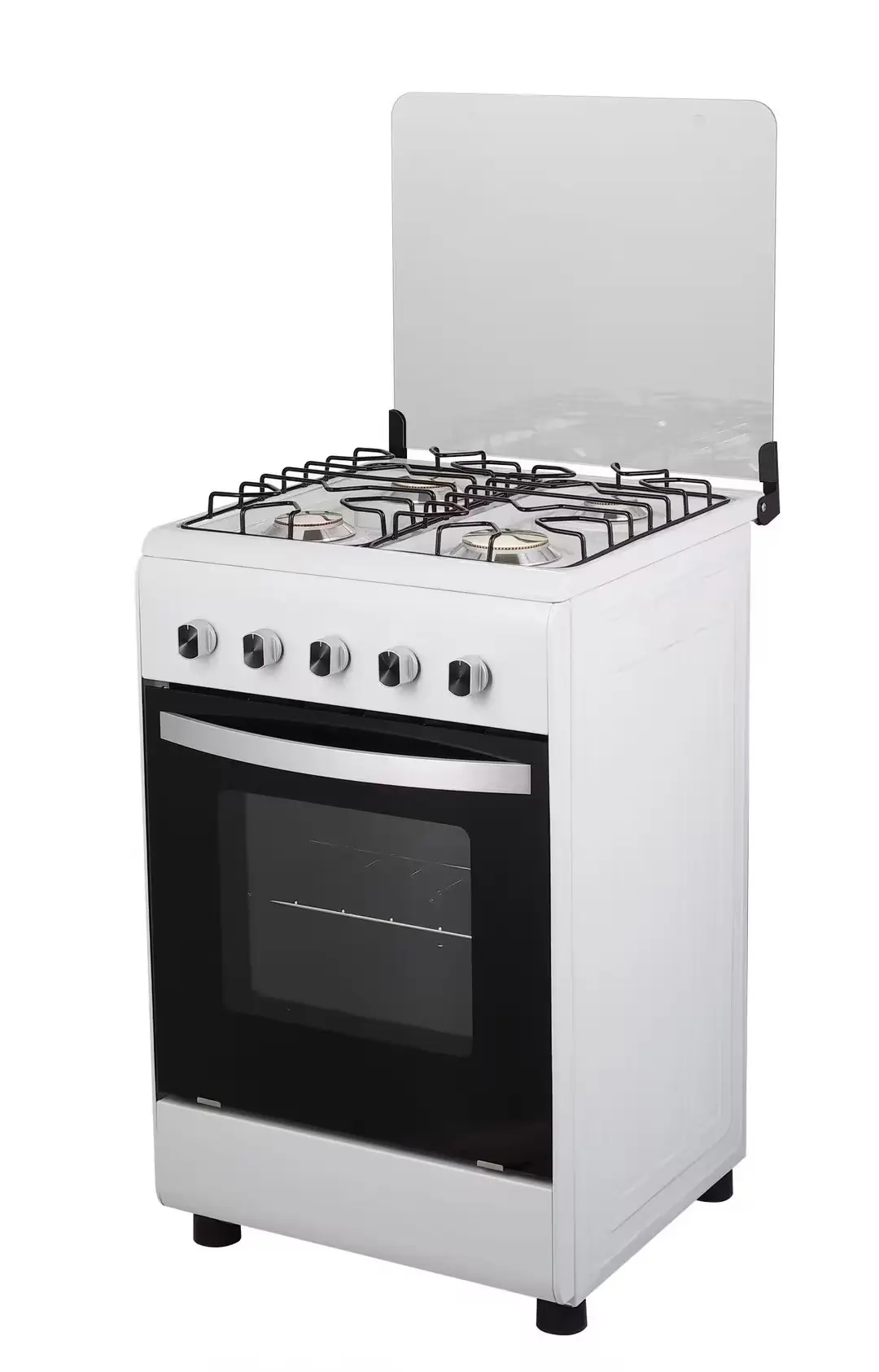
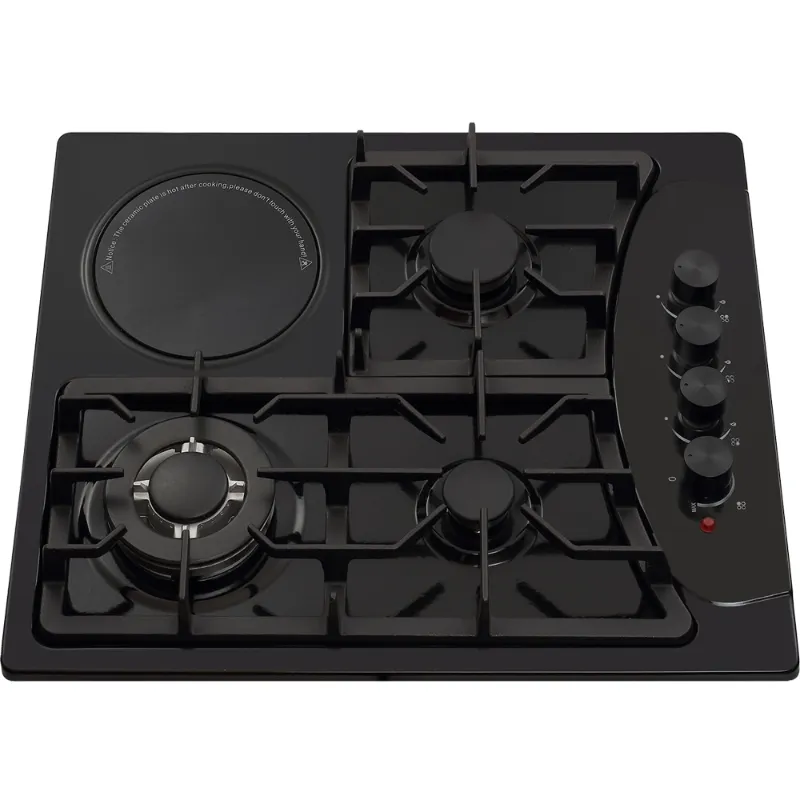
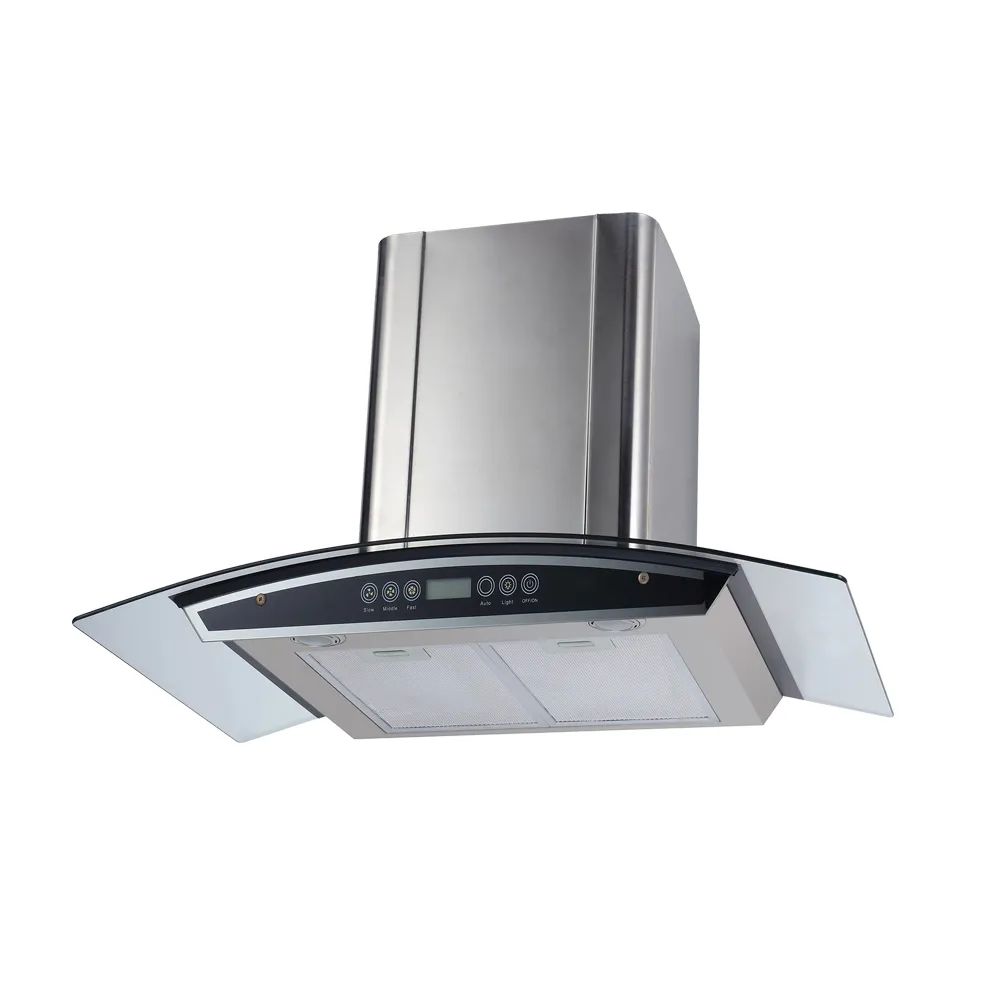
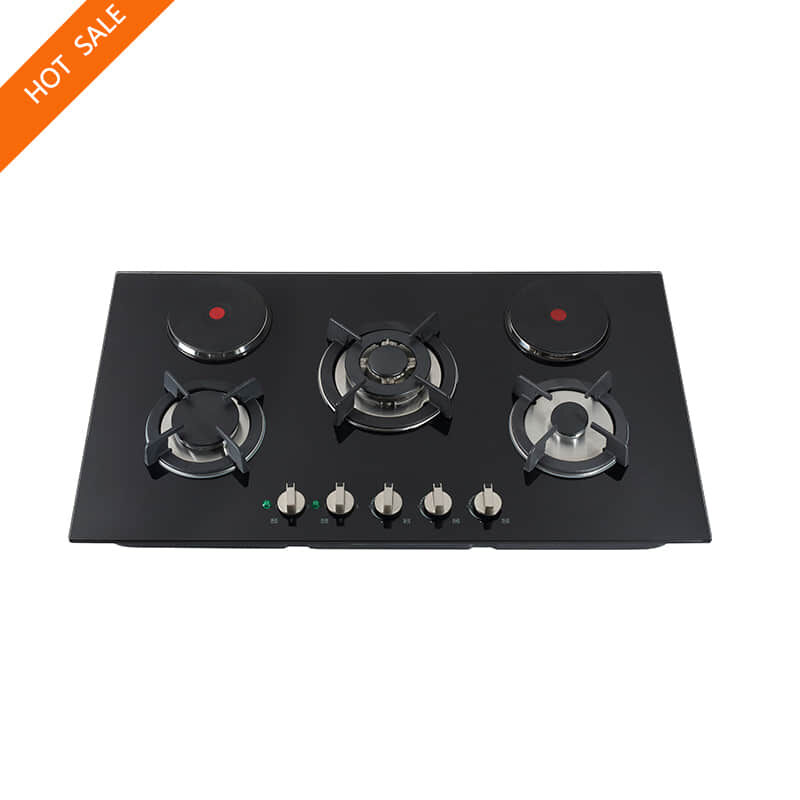
Premium Range Hood Factory - Advanced Manufacturing & Quality Kitchen Ventilation Systems

All Categories

range hood factory

A range hood factory represents a specialized manufacturing facility dedicated to producing ventilation systems that remove smoke, grease, odors, and airborne particles from kitchen environments. These industrial facilities combine advanced engineering capabilities with precision manufacturing processes to create essential kitchen appliances that improve indoor air quality and cooking safety. Modern range hood factory operations integrate sophisticated production lines equipped with metal fabrication equipment, motor assembly stations, electronic control system installation areas, and comprehensive quality testing laboratories. The primary function of a range hood factory centers on transforming raw materials including stainless steel, aluminum, copper, and high-grade plastics into functional ventilation units. These facilities employ cutting-edge technologies such as computer-controlled cutting systems, automated welding stations, powder coating applications, and precision motor balancing equipment. The technological features within a typical range hood factory include advanced CAD design systems that enable engineers to create aerodynamically efficient fan blade configurations, noise reduction chambers, and streamlined ductwork designs. Manufacturing processes incorporate laser cutting technology for precise component fabrication, robotic welding systems for consistent joint quality, and automated painting booths that ensure uniform finish application. Quality control systems within these facilities utilize sound measurement chambers to test noise levels, airflow testing equipment to verify CFM ratings, and electrical safety testing stations to ensure compliance with international standards. The applications of range hood factory products extend across residential kitchens, commercial restaurant operations, industrial food processing facilities, and institutional cooking environments. These manufacturing facilities produce various models including under-cabinet units, wall-mounted designs, island installations, and commercial-grade exhaust systems. Each product undergoes rigorous testing protocols to verify performance specifications, safety standards, and durability requirements before reaching end users.


New Product Releases

Range hood factory operations deliver significant advantages that directly benefit customers through superior product quality, competitive pricing, and reliable performance guarantees. Manufacturing facilities maintain strict quality control standards that ensure every unit meets or exceeds industry performance benchmarks, resulting in products that provide consistent airflow rates, effective grease capture, and long-lasting durability. Factory direct pricing eliminates middleman markups, allowing customers to access premium ventilation solutions at substantially reduced costs compared to traditional retail channels. The comprehensive testing procedures implemented within range hood factory environments guarantee that each product performs according to specified CFM ratings, noise level requirements, and energy efficiency standards. Advanced manufacturing technologies enable factories to produce units with precision-engineered components that minimize maintenance requirements and extend operational lifespans significantly beyond standard industry expectations. Customer service advantages include direct communication with technical specialists who possess intimate knowledge of product design specifications, installation requirements, and troubleshooting procedures. Range hood factory warranty programs typically offer extended coverage periods and comprehensive support services that protect customer investments while ensuring optimal performance throughout the product lifecycle. Customization capabilities allow factories to modify standard designs according to specific customer requirements, including custom sizing, specialized finishes, and unique control configurations that meet particular installation challenges. Bulk ordering opportunities provide additional cost savings for contractors, builders, and commercial clients who require multiple units for large-scale projects. The streamlined supply chain management systems utilized by range hood factory operations ensure consistent product availability, reduced lead times, and reliable delivery schedules that support customer project timelines. Environmental advantages include energy-efficient manufacturing processes, recyclable materials usage, and products designed to reduce household energy consumption through optimized motor efficiency and smart control systems.

Latest News

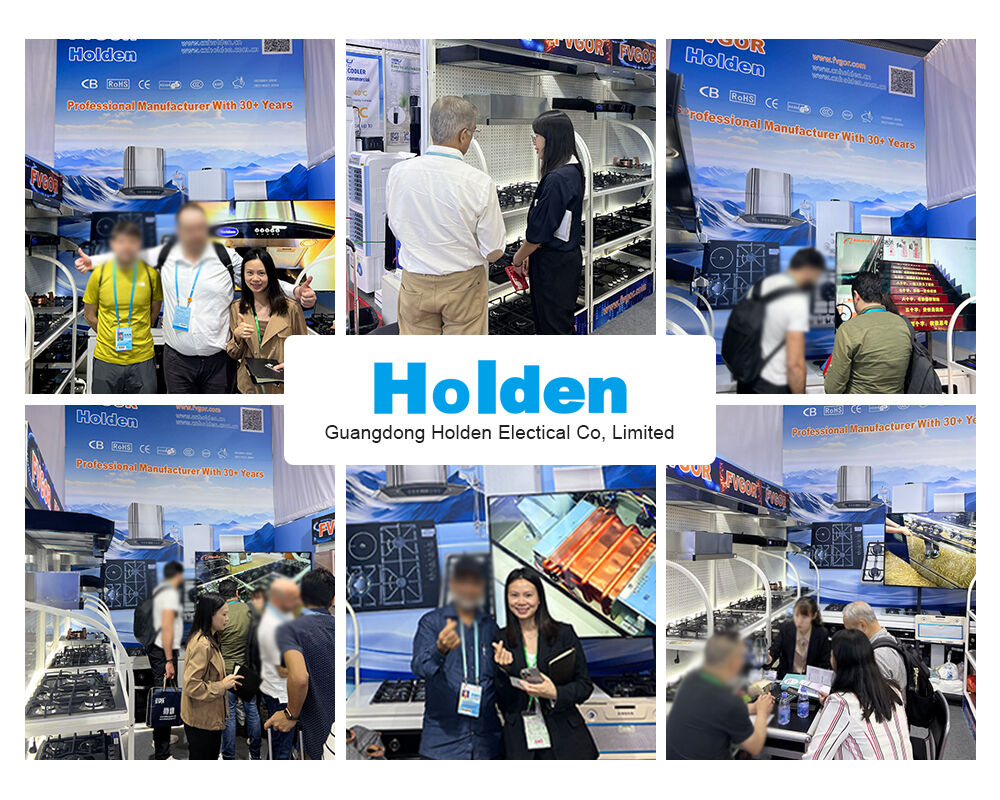
Holden has actively participated in the Canton

12

Feb

Holden has actively participated in the Canton

View More
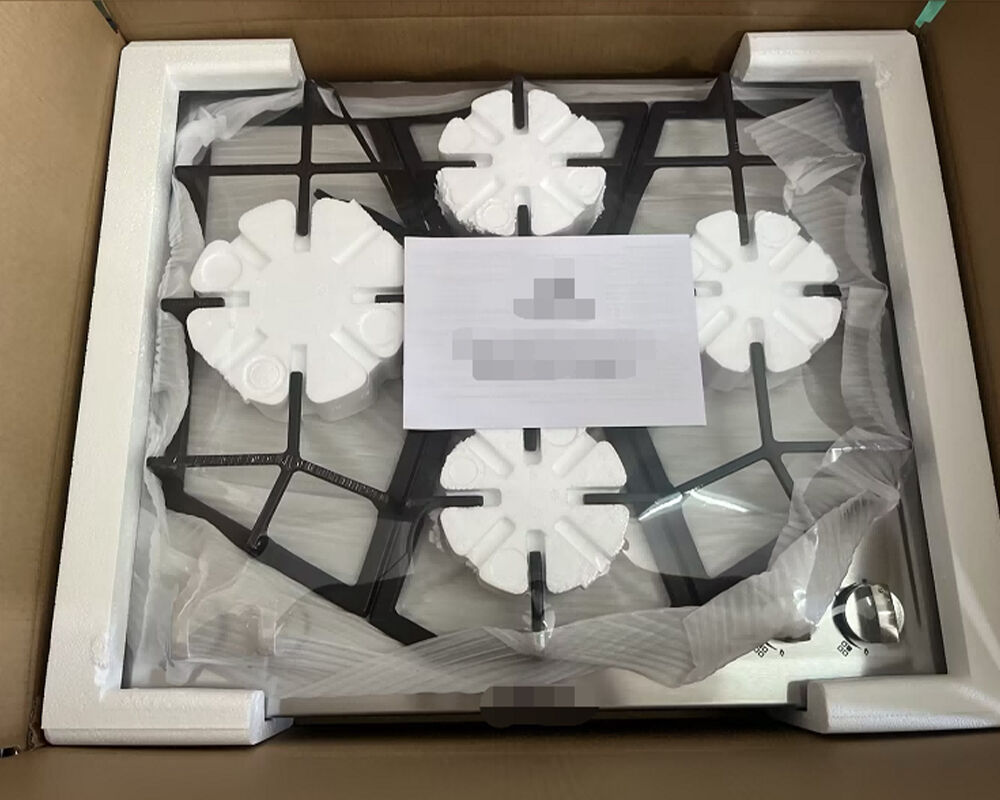
Holden updates stoves with new packaging

12

Feb

Holden updates stoves with new packaging

View More
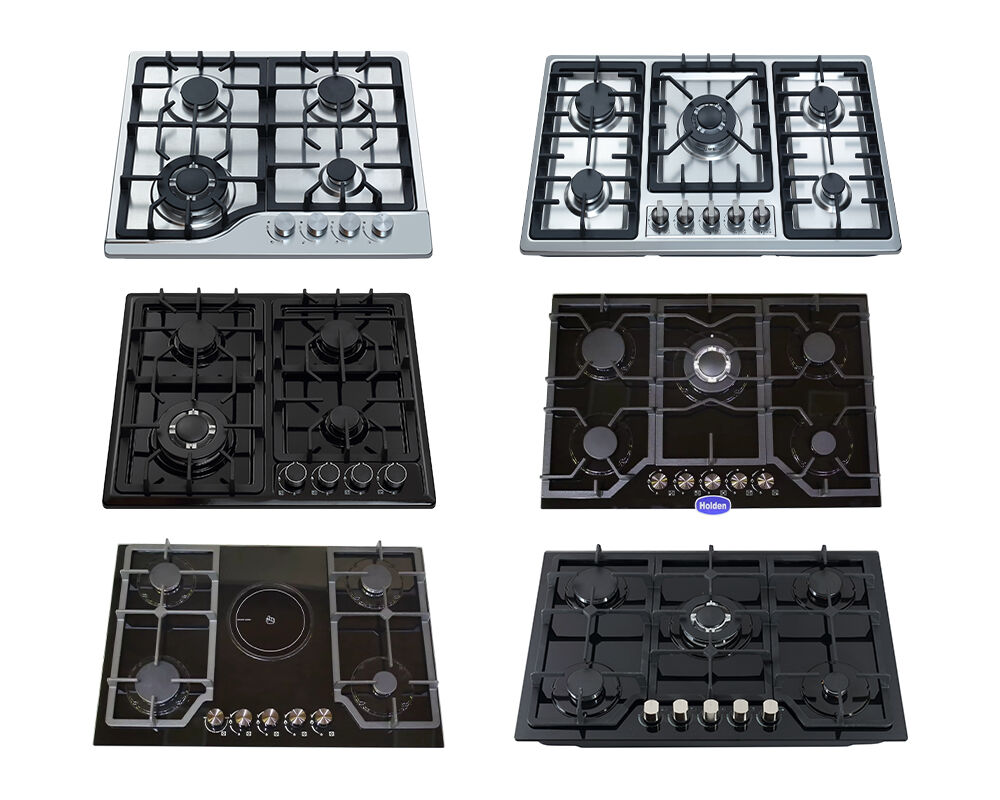
A new generation of stoves from Holden

12

Feb

A new generation of stoves from Holden

View More

Get a Free Quote

Our representative will contact you soon.
Email
Mobile/Whatsapp
Name
Company Name
Quantity
Message
0/1000

range hood factory

Advanced Manufacturing Technology Integration

Advanced Manufacturing Technology Integration

Range hood factory facilities incorporate state-of-the-art manufacturing technologies that revolutionize the production of kitchen ventilation systems through precision engineering and automated processes. These advanced facilities utilize computer-controlled laser cutting systems that achieve tolerances within thousandths of an inch, ensuring perfect component fit and superior product performance. The integration of robotic welding stations eliminates human error while creating consistently strong joints that withstand years of operational stress and temperature variations. Automated powder coating systems apply uniform finishes that resist corrosion, scratches, and discoloration while maintaining aesthetic appeal throughout extended use periods. The range hood factory environment includes sophisticated motor balancing equipment that eliminates vibration and reduces noise output to whisper-quiet levels, addressing one of the most common customer complaints about kitchen ventilation systems. Computer-aided design software enables engineers to optimize airflow patterns, reduce turbulence, and maximize extraction efficiency while minimizing energy consumption. Quality assurance laboratories within these facilities conduct comprehensive testing protocols including airflow measurement, noise level assessment, electrical safety verification, and durability stress testing that ensures every product meets rigorous performance standards. The implementation of lean manufacturing principles reduces waste, improves efficiency, and maintains cost-effectiveness without compromising quality standards. Advanced inventory management systems coordinate material procurement, production scheduling, and order fulfillment to minimize lead times and ensure customer satisfaction. These technological advantages translate into superior products that offer reliable performance, extended lifespans, and enhanced user experiences that justify premium pricing while delivering exceptional value to end users.
Comprehensive Quality Control Systems

Comprehensive Quality Control Systems

Range hood factory quality control systems establish industry-leading standards through multi-stage inspection processes, rigorous testing protocols, and continuous improvement methodologies that guarantee customer satisfaction and product reliability. These comprehensive systems begin with incoming material inspection procedures that verify the quality and specifications of stainless steel, aluminum components, electrical parts, and finishing materials before they enter the production process. Each manufacturing stage includes checkpoint inspections where trained technicians verify dimensional accuracy, joint integrity, surface finish quality, and component alignment using precision measuring instruments and standardized testing procedures. The range hood factory quality control laboratory features specialized testing equipment including anechoic chambers for noise measurement, calibrated airflow testing apparatus for CFM verification, electrical safety testing stations for compliance verification, and accelerated aging chambers that simulate years of operational wear in controlled timeframes. Statistical process control methods monitor production variables continuously, identifying potential issues before they affect product quality and enabling immediate corrective actions that maintain consistent output standards. Final product testing includes comprehensive performance verification where each unit undergoes operational testing to confirm airflow rates, noise levels, control functionality, and safety compliance before packaging and shipment. Customer feedback integration systems collect performance data from field installations, enabling continuous product improvement and design optimization based on real-world usage patterns. Documentation systems maintain detailed records of all quality control activities, testing results, and inspection findings to support warranty claims, troubleshooting assistance, and product development initiatives. These quality assurance measures significantly reduce defect rates, minimize customer service issues, and build brand reputation through consistent delivery of superior products that exceed customer expectations and industry standards.
Environmental Sustainability and Energy Efficiency Focus

Environmental Sustainability and Energy Efficiency Focus

Modern range hood factory operations prioritize environmental sustainability through eco-friendly manufacturing processes, energy-efficient product designs, and responsible material sourcing that benefits both customers and the global environment. These facilities implement comprehensive recycling programs that reclaim metal scraps, reduce packaging waste, and minimize environmental impact while maintaining cost-effective production methods. Energy-efficient manufacturing equipment reduces facility power consumption while advanced air filtration systems capture and treat industrial emissions to meet or exceed environmental protection standards. The range hood factory development teams focus on creating products with optimized motor efficiency ratings that reduce household energy consumption while maintaining superior performance characteristics. Variable speed control systems enable users to adjust extraction power according to cooking requirements, minimizing energy waste during light cooking activities while providing maximum performance for intensive cooking sessions. LED lighting integration reduces power consumption by up to eighty percent compared to traditional incandescent systems while providing superior illumination quality and extended operational lifespans. Heat recovery systems in commercial-grade units capture waste heat from exhaust air and redirect it for space heating applications, reducing overall building energy requirements and operational costs. Sustainable material sourcing practices prioritize suppliers who demonstrate environmental responsibility, use recycled content, and maintain ethical labor practices throughout their operations. Product lifecycle assessments evaluate environmental impact from manufacturing through disposal, enabling design improvements that reduce resource consumption and waste generation. Customer education programs provide information about proper installation, maintenance procedures, and energy-efficient operation techniques that maximize product performance while minimizing environmental impact. These sustainability initiatives demonstrate corporate responsibility while delivering tangible benefits to customers through reduced operating costs, improved indoor air quality, and contribution to environmental conservation efforts that support global sustainability goals.

Get a Free Quote

Our representative will contact you soon.
Email
Mobile/Whatsapp
Name
Company Name
Quantity
Message
0/1000