 EN
EN
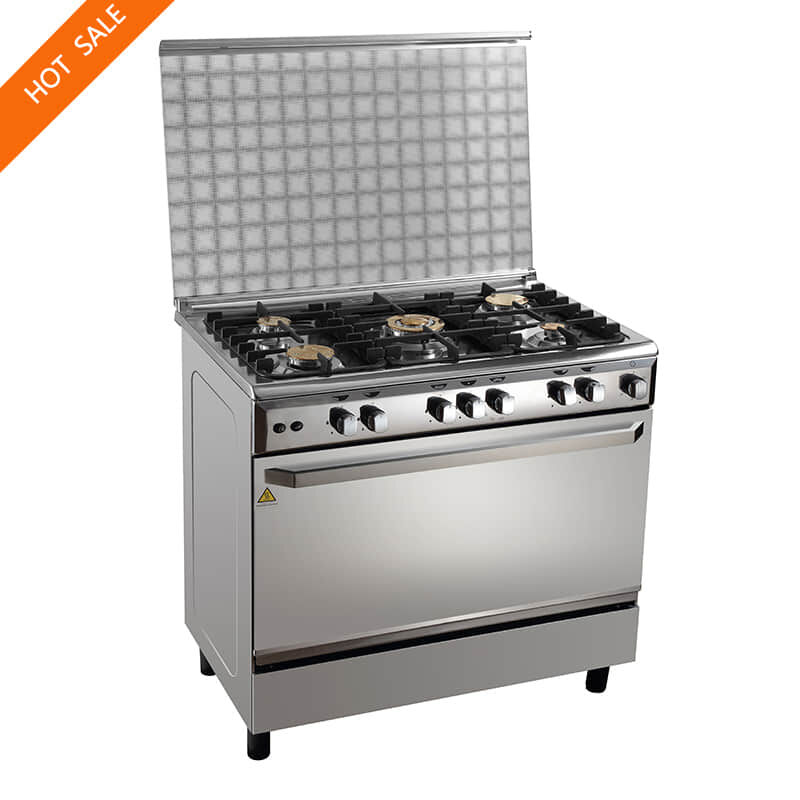
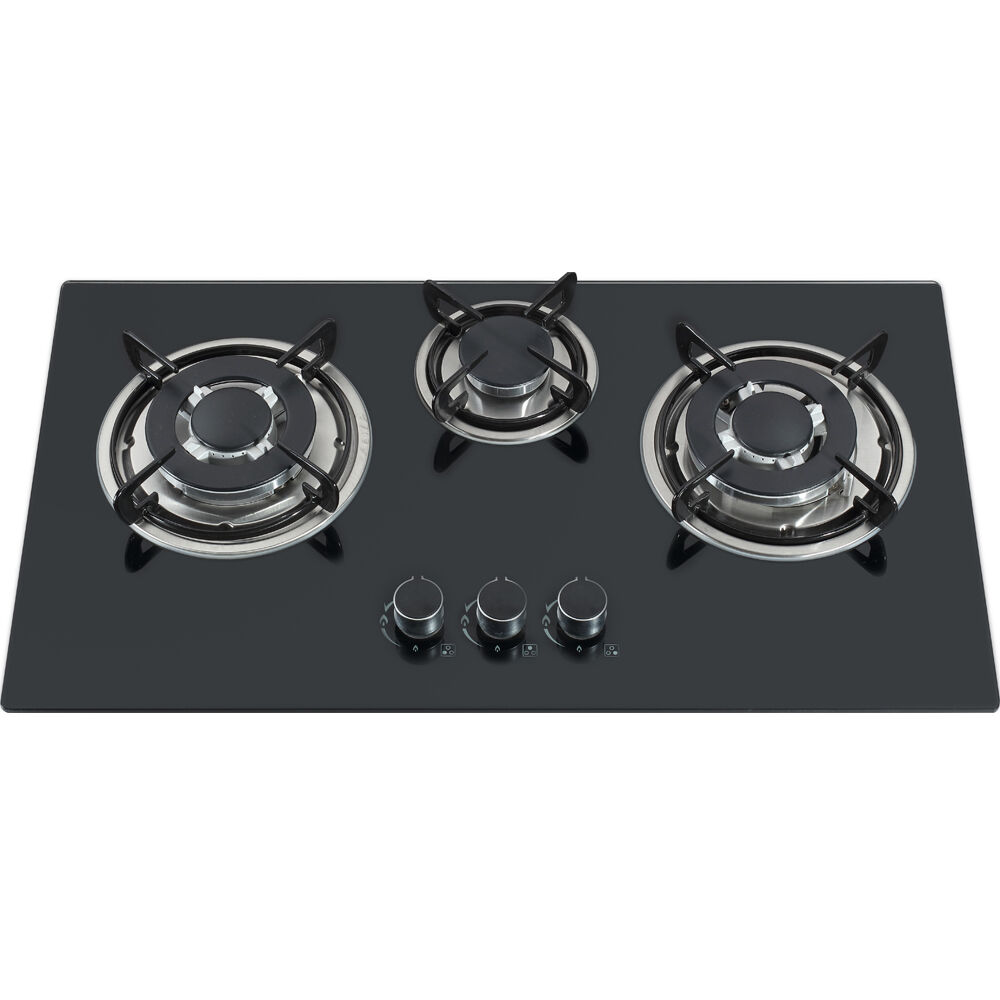
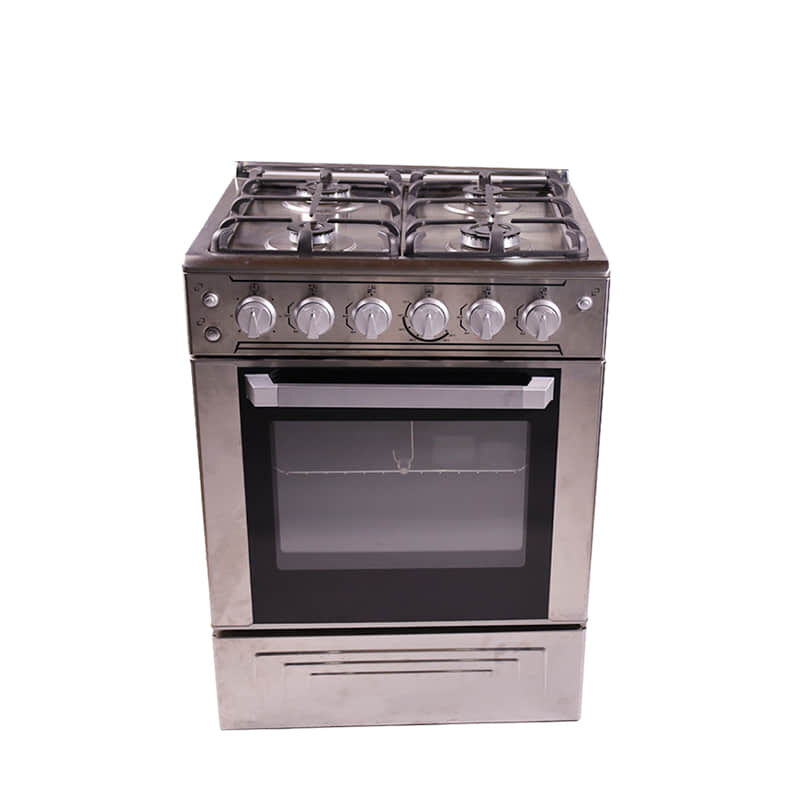
Advanced Safety Engineering and Thermal Resistance Technology
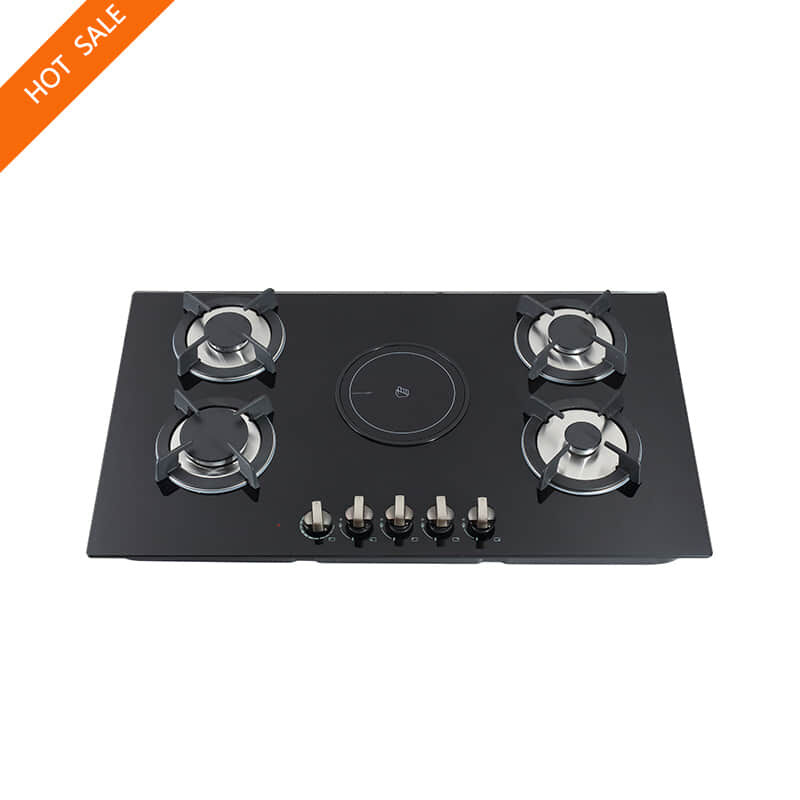
The sophisticated safety engineering implemented by every professional tempered glass stove manufacturer sets these products apart in the competitive appliance market. The manufacturing process involves subjecting glass panels to controlled thermal tempering procedures that create compressive stress patterns throughout the material structure. This specialized treatment increases the glass strength by approximately 400-500 percent compared to standard glass materials, ensuring exceptional resistance to thermal shock and mechanical impact. The tempered glass stove manufacturer incorporates multiple safety layers including automatic temperature monitoring systems that prevent overheating scenarios. These intelligent safety mechanisms continuously monitor surface temperatures and automatically reduce power output or shut down completely when dangerous temperature thresholds are approached. The glass surface design includes beveled edges and rounded corners that eliminate sharp contact points, further enhancing user safety during operation and cleaning activities. Emergency shut-off features integrated by the tempered glass stove manufacturer provide immediate power disconnection through various trigger mechanisms including spillage detection sensors and abnormal heat pattern recognition systems. The thermal resistance properties allow these surfaces to withstand temperature variations exceeding 500 degrees Fahrenheit without compromising structural integrity or developing stress fractures. Child safety features include touch-sensitive control locks and residual heat indicators that clearly display when surfaces remain hot after cooking completion. The tempered glass stove manufacturer also implements fail-safe electrical systems that prevent power surges from damaging internal components or creating hazardous conditions. These comprehensive safety measures ensure that families can cook confidently while minimizing risks associated with traditional cooking methods and inferior appliance construction standards.