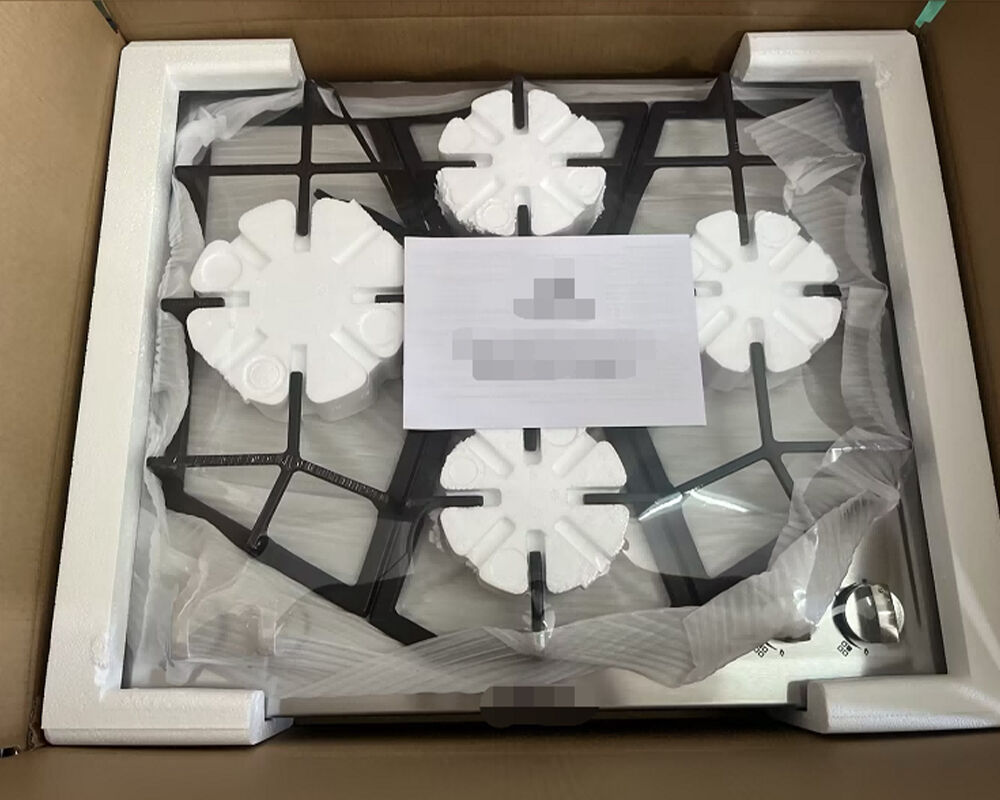
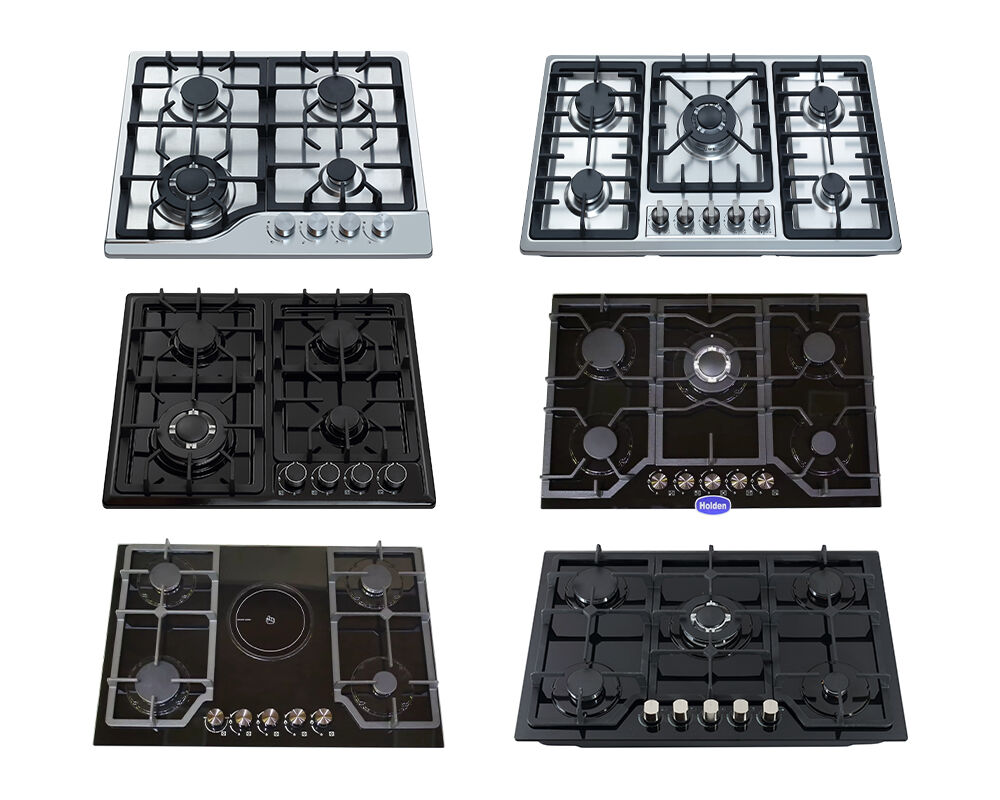
Professional OEM Ovens - Advanced Commercial Cooking Solutions for Superior Performance

All Categories

oem ovens

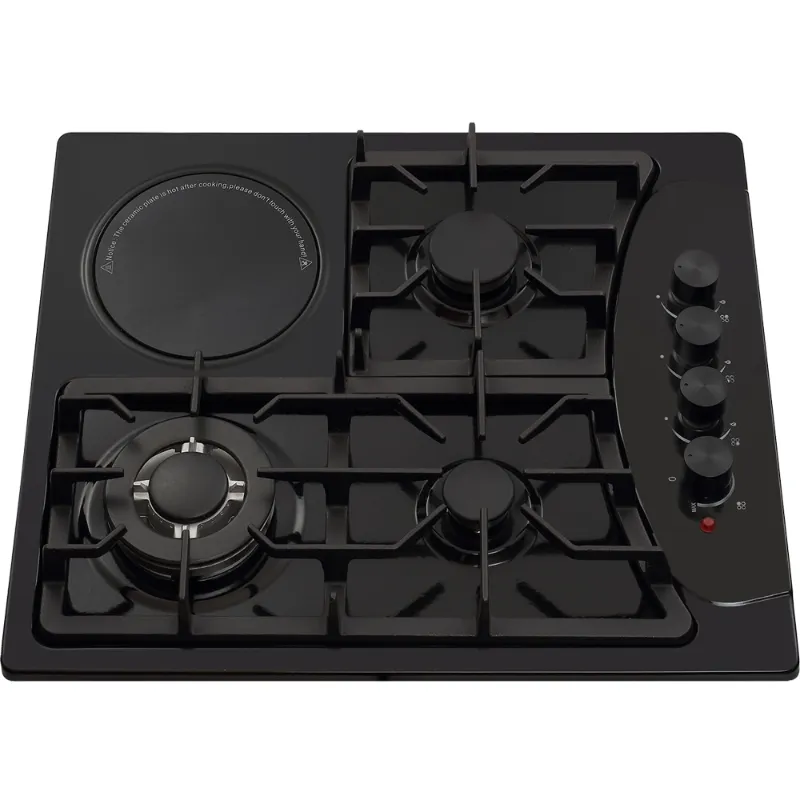
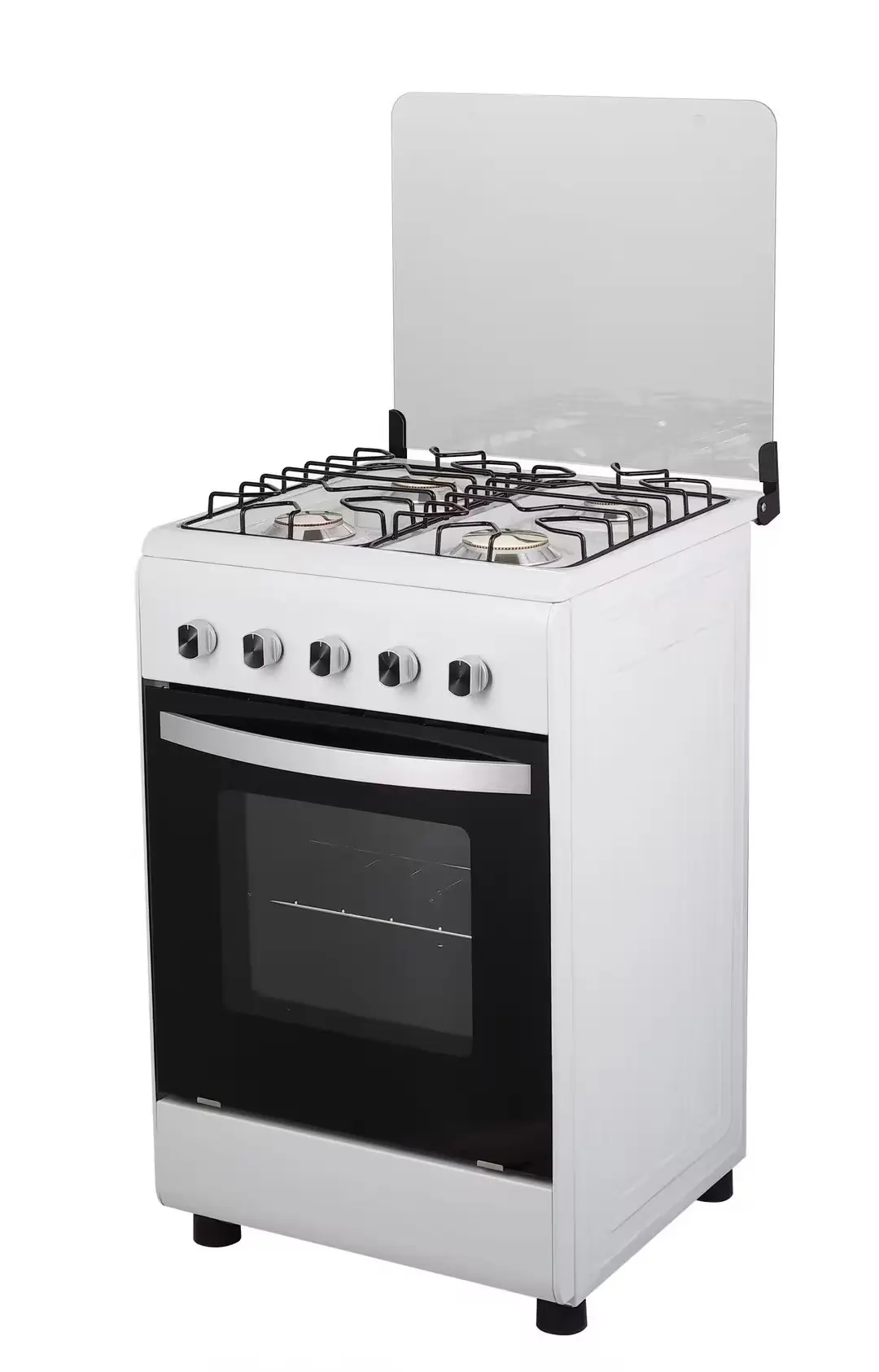
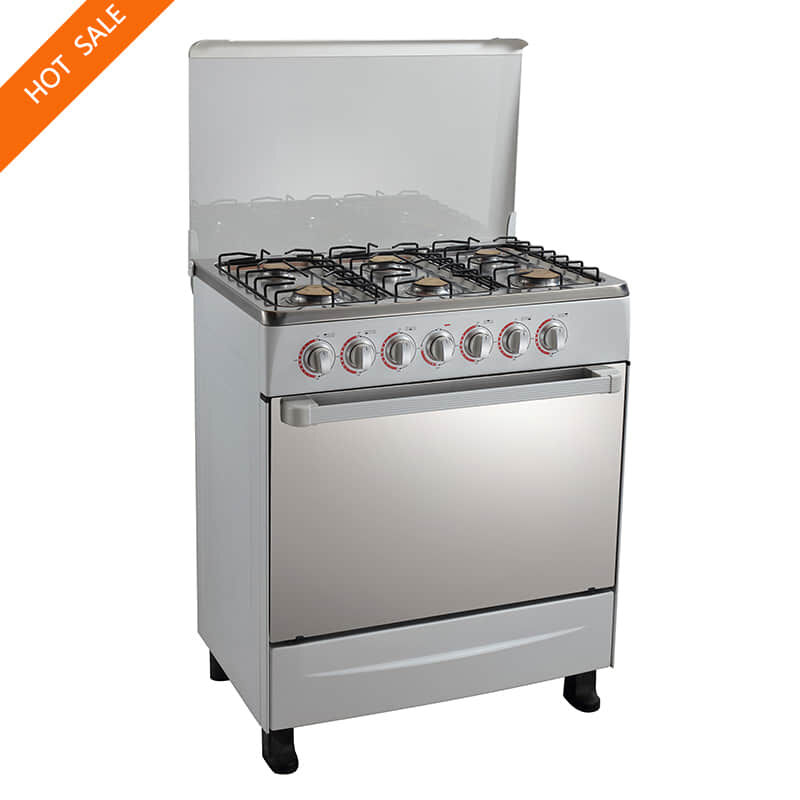
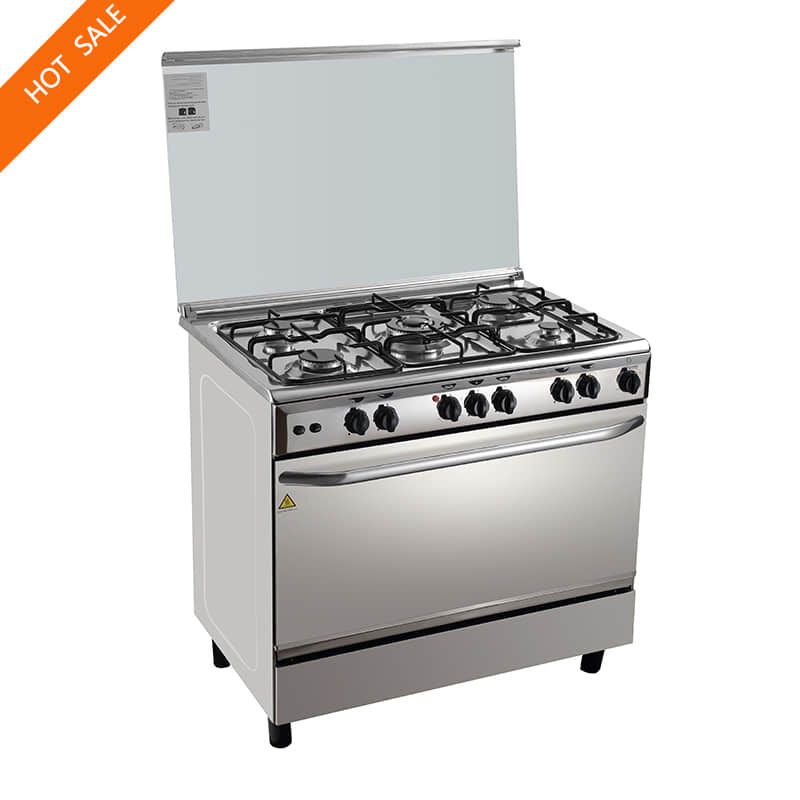
OEM ovens represent a sophisticated category of commercial and industrial cooking equipment specifically designed for original equipment manufacturers who integrate these units into their broader product offerings. These versatile cooking systems serve as foundational components for restaurants, catering businesses, food service operations, and manufacturing facilities that require reliable, high-performance heating solutions. OEM ovens encompass various configurations including convection ovens, combination steam ovens, deck ovens, and specialized baking units that can be customized to meet specific operational requirements. The primary functions of OEM ovens include precise temperature control, uniform heat distribution, programmable cooking cycles, and energy-efficient operation that ensures consistent results across different food preparation applications. Modern OEM ovens incorporate advanced technological features such as digital control panels, multi-stage cooking programs, steam injection systems, and intelligent monitoring capabilities that allow operators to maintain optimal cooking conditions while reducing manual oversight. These ovens utilize innovative heating technologies including forced air circulation, radiant heating elements, and hybrid steam-convection systems that deliver superior cooking performance compared to conventional equipment. The applications for OEM ovens span across diverse industries, from high-volume commercial kitchens that require rapid throughput to specialty food production facilities that demand precise temperature management for delicate products. Food service establishments benefit from the flexibility of OEM ovens to handle multiple cooking methods simultaneously, while manufacturing operations appreciate the consistent quality and reduced labor requirements these systems provide. The modular design of many OEM ovens allows for seamless integration into existing kitchen layouts or production lines, making them ideal solutions for businesses looking to upgrade their cooking capabilities without extensive facility modifications.

Popular Products

OEM ovens deliver exceptional value through their superior energy efficiency, which translates directly into reduced operating costs for businesses of all sizes. These advanced cooking systems consume significantly less energy than traditional ovens while maintaining consistent temperature control, resulting in lower utility bills and improved profit margins. The precision engineering of OEM ovens ensures uniform heat distribution throughout the cooking chamber, eliminating hot spots and guaranteeing even cooking results that enhance food quality and reduce waste. This reliability means businesses can maintain consistent product standards, build customer loyalty, and minimize food preparation errors that cost time and money. The programmable features of OEM ovens allow operators to store multiple cooking profiles, enabling staff to prepare complex recipes with the touch of a button, which reduces training time and minimizes human error. This automation capability proves especially valuable during peak service periods when kitchen efficiency becomes critical to customer satisfaction and revenue generation. OEM ovens offer remarkable versatility in cooking methods, supporting baking, roasting, steaming, and combination cooking techniques within a single unit, which maximizes kitchen space utilization and reduces equipment investment costs. The robust construction of these ovens ensures long-term durability and minimal maintenance requirements, providing years of reliable service that justifies the initial investment through sustained performance. Modern OEM ovens incorporate user-friendly digital interfaces that simplify operation and monitoring, allowing staff to focus on food preparation rather than equipment management. The compact footprint of many OEM oven models makes them suitable for kitchens with limited space, while their stackable configurations enable businesses to increase cooking capacity without expanding their physical footprint. These ovens also feature advanced safety systems including automatic shutoff mechanisms, temperature monitoring, and ventilation controls that protect both equipment and personnel while ensuring compliance with health and safety regulations. The consistent performance of OEM ovens supports standardized cooking processes that are essential for franchise operations and multi-location businesses that require uniform product quality across all sites.

Practical Tips

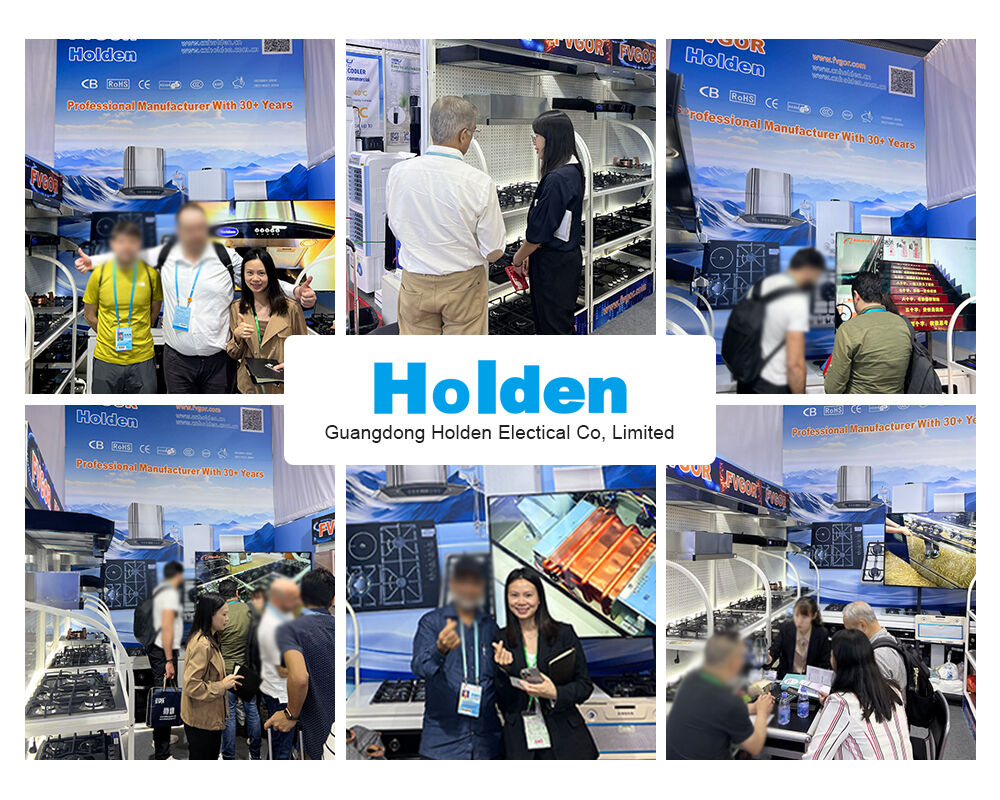
Holden has actively participated in the Canton

12

Feb

Holden has actively participated in the Canton

View More
Holden updates stoves with new packaging

12

Feb

Holden updates stoves with new packaging

View More
A new generation of stoves from Holden

12

Feb

A new generation of stoves from Holden

View More

Get a Free Quote

Our representative will contact you soon.
Email
Mobile/Whatsapp
Name
Company Name
Quantity
Message
0/1000

oem ovens

Advanced Temperature Control Technology

Advanced Temperature Control Technology

The sophisticated temperature control technology integrated into OEM ovens represents a breakthrough in commercial cooking precision that transforms how food service operations maintain quality and consistency. These ovens feature multi-zone temperature sensors strategically positioned throughout the cooking chamber to monitor heat distribution in real-time, ensuring that temperature variations remain within minimal tolerances regardless of load size or cooking duration. The advanced control algorithms automatically adjust heating elements and fan speeds to compensate for thermal fluctuations caused by door openings, product loading, or ambient temperature changes, maintaining optimal cooking conditions that preserve food quality and texture. This level of precision proves invaluable for establishments preparing delicate items such as pastries, meats, or vegetables that require specific temperature profiles to achieve desired results. The programmable temperature ramping feature allows operators to create custom heating curves that gradually increase or decrease temperatures according to recipe requirements, enabling complex cooking processes that would be impossible with conventional equipment. Many OEM ovens incorporate dual-probe temperature monitoring that simultaneously tracks both air temperature and internal product temperature, providing operators with comprehensive data to ensure food safety compliance while optimizing cooking times. The rapid temperature recovery capability of these systems minimizes productivity losses during high-volume operations, as the ovens quickly return to set temperatures after door openings or product loading. Digital displays provide real-time temperature feedback with precision accuracy, allowing operators to make immediate adjustments when necessary while maintaining detailed cooking logs for quality control purposes. The temperature control technology in OEM ovens also includes predictive algorithms that anticipate heating requirements based on cooking patterns, preemptively adjusting system parameters to maintain consistent performance throughout extended operating periods. This intelligent temperature management reduces energy consumption while extending equipment lifespan through optimized heating element usage.
Multi-Function Cooking Capabilities

Multi-Function Cooking Capabilities

OEM ovens excel in their remarkable multi-function cooking capabilities that consolidate numerous cooking methods into a single, efficient unit, revolutionizing kitchen operations and maximizing space utilization for food service establishments. These versatile systems seamlessly integrate convection baking, steam cooking, combination steam-convection modes, and specialized functions such as proofing and low-temperature holding, enabling operators to prepare diverse menu items without requiring multiple pieces of equipment. The convection functionality utilizes precisely controlled fans to circulate heated air uniformly throughout the cooking chamber, ensuring even browning and cooking that produces consistently superior results compared to static heating methods. Steam injection capabilities allow for moisture control during cooking processes, which proves essential for maintaining product quality in bread baking, vegetable preparation, and protein cooking where texture and moisture retention are critical factors. The combination cooking mode merges the benefits of both dry heat and steam, creating optimal conditions for items that require crispy exteriors and moist interiors, such as roasted poultry, crusty breads, and certain vegetable preparations. Advanced OEM ovens feature programmable cooking cycles that automatically sequence different cooking modes, temperatures, and humidity levels according to specific recipe requirements, enabling operators to achieve professional-quality results with minimal supervision. The proofing function maintains precise low temperatures and humidity levels necessary for yeast activation in bread production, while holding modes keep prepared foods at safe serving temperatures without overcooking or quality deterioration. Many models include specialized settings for delicate processes such as dehydrating, slow cooking, and sous-vide preparation, expanding culinary possibilities and enabling establishments to offer unique menu items that differentiate them from competitors. The rapid mode switching capability allows operators to transition between different cooking functions quickly, maximizing oven utilization and reducing idle time during busy service periods. This versatility eliminates the need for multiple specialized appliances, reducing equipment costs, maintenance requirements, and kitchen space demands while simplifying staff training and operational procedures.

Energy Efficiency and Cost Savings

Energy Efficiency and Cost Savings

The exceptional energy efficiency of OEM ovens delivers substantial cost savings that significantly impact the bottom line of food service operations while supporting environmental sustainability initiatives. These advanced cooking systems incorporate cutting-edge insulation technologies, including multi-layer thermal barriers and advanced door sealing mechanisms that minimize heat loss and reduce energy consumption by up to forty percent compared to conventional commercial ovens. The intelligent heating systems utilize variable-speed fans and modulating heating elements that adjust power consumption based on actual cooking requirements, eliminating energy waste associated with maintaining unnecessarily high heat levels during light-load operations. Heat recovery systems capture and recycle thermal energy that would otherwise be lost through exhaust systems, redirecting this recovered heat to preheat incoming air or assist with water heating, further reducing overall energy consumption and operational costs. The rapid heat-up capabilities of OEM ovens minimize preheating time and energy usage, allowing establishments to begin cooking operations quickly while reducing standby energy consumption during peak preparation periods. Smart scheduling features enable operators to program cooking cycles during off-peak energy rate periods, taking advantage of lower electricity costs while maintaining production schedules that meet service requirements. The precise temperature control and uniform heat distribution eliminate the need for overcooking safety margins, reducing food waste and ingredient costs while maintaining food safety standards through accurate internal temperature achievement. Energy monitoring systems provide real-time consumption data and efficiency reports that help operators identify optimization opportunities and track cost savings over time, enabling data-driven decisions about cooking schedules and energy management strategies. The extended lifespan of energy-efficient components reduces replacement costs and maintenance frequency, while the reduced heat output from these efficient systems decreases kitchen cooling requirements, lowering air conditioning costs during warm weather operations. Many OEM ovens qualify for utility rebates and energy efficiency incentives that offset initial purchase costs, while the documented energy savings support LEED certification efforts and corporate sustainability reporting requirements that are increasingly important to customers and stakeholders.

Get a Free Quote

Our representative will contact you soon.
Email
Mobile/Whatsapp
Name
Company Name
Quantity
Message
0/1000