Professional Oven Suppliers: Advanced Commercial Kitchen Equipment Solutions for Food Service Industry

All Categories

oven suppliers

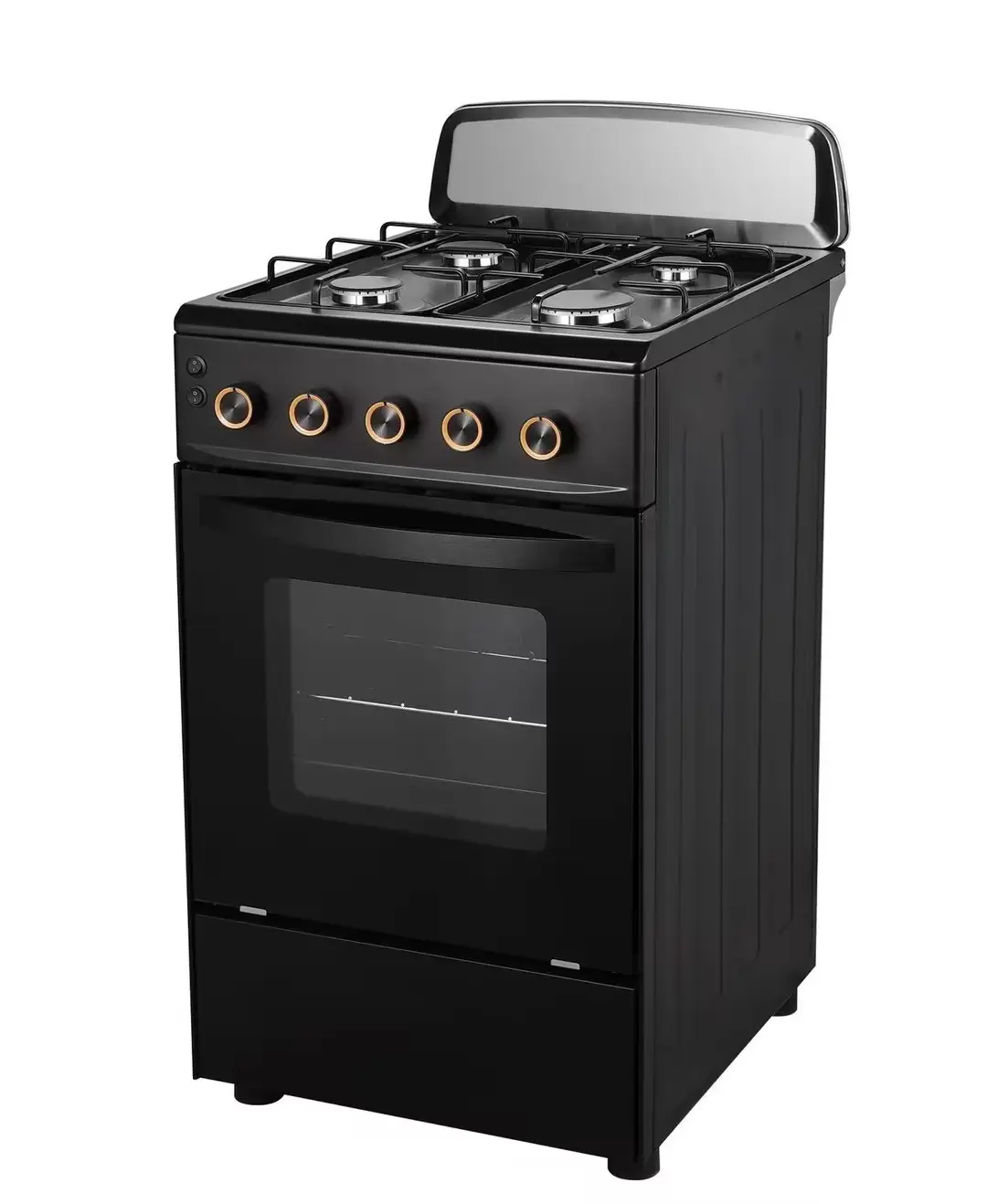
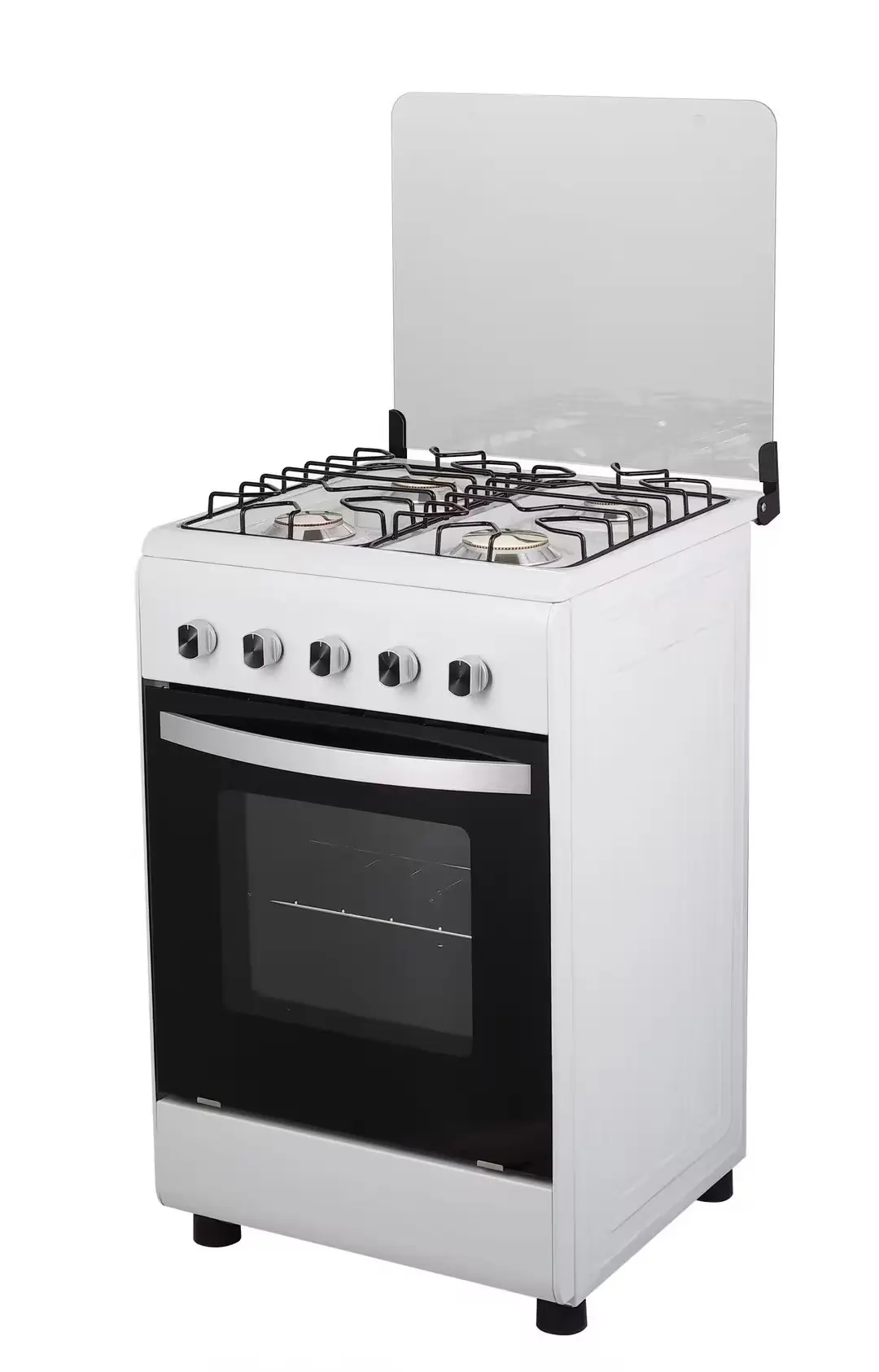
Oven suppliers play a crucial role in the global food service industry, providing essential equipment that transforms raw ingredients into delicious meals across restaurants, bakeries, commercial kitchens, and industrial food processing facilities. These specialized manufacturers develop, produce, and distribute a comprehensive range of heating appliances designed to meet diverse culinary requirements and operational demands. The primary function of ovens from reputable suppliers involves controlled heat application through various cooking methods including baking, roasting, broiling, and steaming. Modern oven suppliers integrate cutting-edge technology to enhance cooking precision, energy efficiency, and user safety. Advanced control systems allow operators to program specific temperature profiles, cooking times, and humidity levels, ensuring consistent results regardless of batch size or operator experience. Many contemporary ovens feature digital interfaces with touchscreen controls, remote monitoring capabilities, and automated cleaning cycles that streamline kitchen operations. Technological innovations include convection systems that circulate heated air for uniform cooking, steam injection mechanisms that maintain moisture during baking processes, and multi-zone heating elements that enable simultaneous preparation of different food items at varying temperatures. Energy-efficient designs incorporate improved insulation materials and heat recovery systems that reduce operational costs while maintaining optimal cooking performance. Applications for oven equipment span numerous industries including commercial bakeries producing bread and pastries, restaurants preparing diverse menu items, healthcare facilities maintaining nutritional meal programs, educational institutions serving large student populations, and food processing plants manufacturing packaged goods. Oven suppliers also cater to specialized markets such as pizza restaurants requiring high-temperature stone deck ovens, pastry shops needing precision proofing chambers, and catering companies demanding portable cooking solutions. The versatility of modern oven technology allows these suppliers to customize equipment specifications based on specific customer requirements, available space constraints, production volumes, and budget considerations, making them indispensable partners for any successful food service operation.


New Product Recommendations

Choosing established oven suppliers offers numerous practical benefits that directly impact operational efficiency, food quality, and long-term profitability for businesses across the food service sector. Professional suppliers provide comprehensive technical support throughout the entire equipment lifecycle, from initial consultation and specification development to installation, staff training, and ongoing maintenance services. This support system ensures that customers maximize their investment return while minimizing operational disruptions and unexpected downtime. Quality assurance represents another significant advantage, as reputable oven suppliers manufacture equipment using premium materials and rigorous testing procedures that meet or exceed industry safety standards and regulatory requirements. These suppliers often maintain ISO certifications and comply with international quality management systems, providing customers with confidence in product reliability and performance consistency. The warranty coverage and service network offered by established suppliers protect against equipment failures and provide rapid response times for repairs or replacement parts, crucial factors for maintaining continuous kitchen operations. Energy efficiency improvements delivered by modern oven technology from leading suppliers result in substantial cost savings on utility bills while supporting environmental sustainability initiatives. Advanced insulation systems, precision temperature controls, and heat recovery mechanisms reduce energy consumption by up to forty percent compared to older equipment models. Customization capabilities allow suppliers to modify standard oven configurations according to specific customer requirements, including size adjustments, specialized cooking programs, integration with existing kitchen systems, and compliance with unique regulatory standards. This flexibility ensures optimal performance within diverse operational environments and maximizes space utilization efficiency. Training programs provided by professional oven suppliers equip kitchen staff with proper operating procedures, safety protocols, and maintenance techniques that extend equipment lifespan and prevent costly accidents or misuse. Many suppliers offer ongoing education sessions and certification programs that keep operators updated on latest cooking techniques and equipment features. The research and development investments made by leading suppliers result in continuous product improvements and innovative features that enhance cooking capabilities, reduce labor requirements, and improve food safety standards, providing customers with access to cutting-edge technology that maintains competitive advantages in their respective markets.

Practical Tips

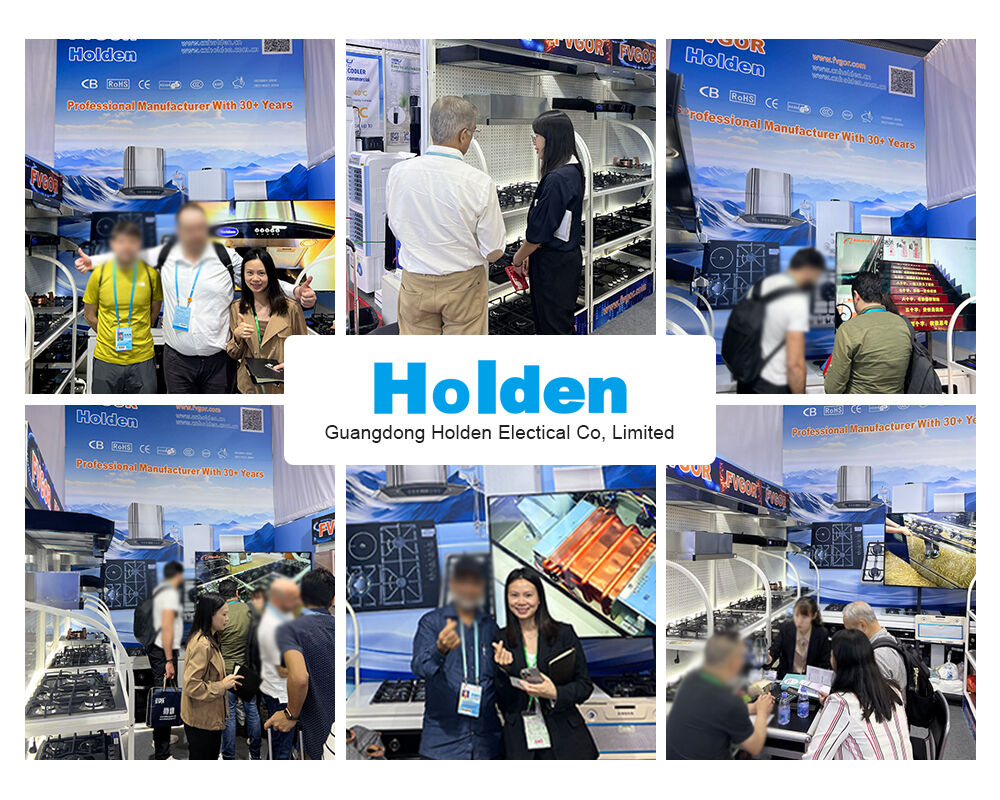
Holden has actively participated in the Canton

12

Feb

Holden has actively participated in the Canton

View More
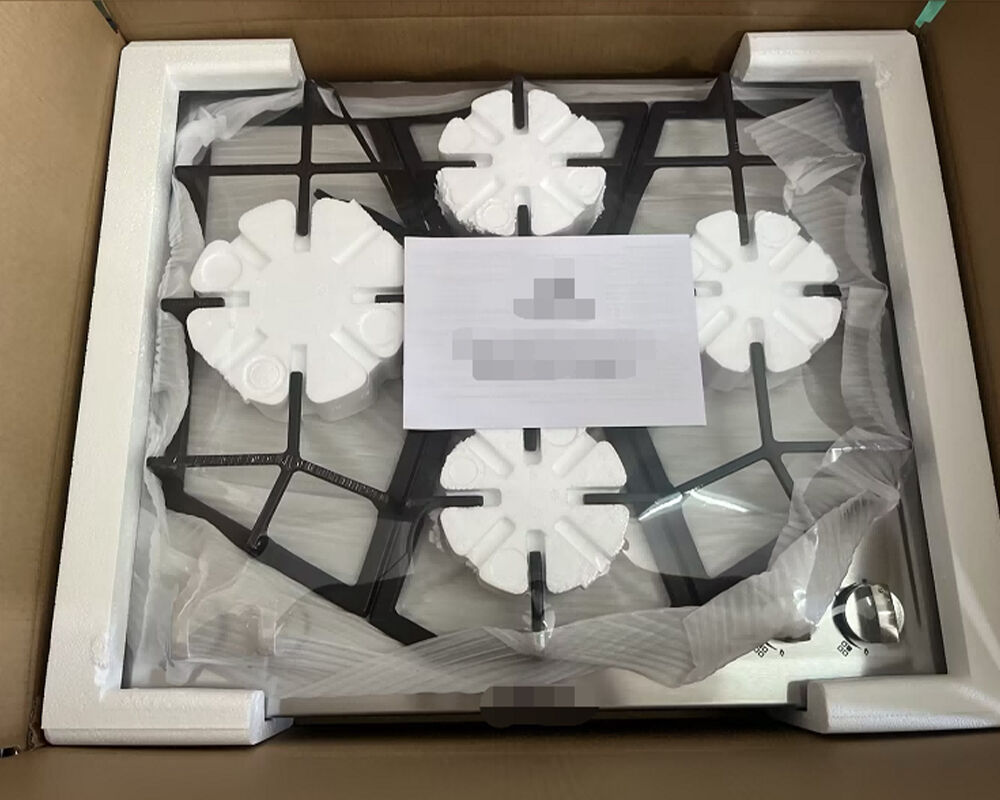
Holden updates stoves with new packaging

12

Feb

Holden updates stoves with new packaging

View More
A new generation of stoves from Holden

12

Feb

A new generation of stoves from Holden

View More

Get a Free Quote

Our representative will contact you soon.
Email
Mobile/Whatsapp
Name
Company Name
Quantity
Message
0/1000

oven suppliers

Advanced Temperature Control and Precision Cooking Systems

Advanced Temperature Control and Precision Cooking Systems

Modern oven suppliers have revolutionized commercial cooking through sophisticated temperature control systems that deliver unprecedented precision and consistency in food preparation processes. These advanced control mechanisms utilize multi-sensor technology that monitors internal oven conditions in real-time, automatically adjusting heating elements to maintain exact temperature requirements throughout the entire cooking cycle. The precision achieved by these systems eliminates the guesswork traditionally associated with commercial cooking, ensuring that every batch of food meets exacting quality standards regardless of operator experience level or external environmental factors. Professional-grade ovens from leading suppliers incorporate programmable logic controllers that store hundreds of customized cooking profiles, allowing kitchen staff to reproduce complex recipes with identical results every time. This consistency proves invaluable for chain restaurants, bakeries, and food service operations where standardized product quality directly impacts brand reputation and customer satisfaction. The temperature accuracy typically achieved ranges within plus or minus two degrees Fahrenheit, a level of precision that enables delicate baking applications such as pastry production, bread making, and confectionery work that requires exact thermal conditions for optimal results. Energy efficiency benefits emerge from these precise control systems as they eliminate temperature overshooting and reduce recovery times between cooking cycles. Smart algorithms predict heating requirements based on food load sizes and ambient conditions, optimizing energy consumption while maintaining cooking performance standards. Many suppliers integrate wireless connectivity features that enable remote monitoring and control capabilities, allowing kitchen managers to supervise multiple oven units from centralized locations and receive instant notifications about cooking progress, maintenance requirements, or potential operational issues. The data logging capabilities built into these systems provide valuable insights into cooking patterns, energy usage, and equipment performance metrics that support continuous improvement initiatives and predictive maintenance scheduling. Safety enhancements include automatic shutdown features that activate when temperature sensors detect abnormal conditions, preventing equipment damage and protecting kitchen staff from potential hazards. These sophisticated control systems represent a significant competitive advantage for businesses that depend on consistent food quality and operational efficiency to maintain market position and profitability in increasingly competitive food service markets.
Comprehensive Service Network and Technical Support Infrastructure

Comprehensive Service Network and Technical Support Infrastructure

Leading oven suppliers distinguish themselves through extensive service networks and technical support infrastructure that ensures continuous equipment operation and maximizes customer investment returns throughout the equipment lifecycle. This comprehensive support system begins during the initial consultation phase, where experienced application engineers work closely with customers to analyze specific cooking requirements, kitchen layout constraints, production volumes, and operational workflows to recommend optimal equipment configurations. The pre-installation support includes detailed site assessments, utility requirement evaluations, and coordination with contractors to ensure seamless integration with existing kitchen systems and compliance with local building codes and safety regulations. Professional installation services provided by certified technicians guarantee proper equipment setup, calibration, and initial testing procedures that validate performance specifications and safety protocols before commercial operation begins. Post-installation support encompasses comprehensive training programs designed for kitchen staff at all skill levels, covering proper operating procedures, safety protocols, routine maintenance tasks, and troubleshooting techniques that prevent minor issues from escalating into costly equipment failures. The ongoing technical support includes twenty-four hour helpdesk services staffed by knowledgeable technicians who can diagnose problems remotely and provide immediate guidance for resolving operational issues. When on-site service becomes necessary, the extensive network of authorized service centers ensures rapid response times and access to genuine replacement parts that maintain equipment warranty coverage and performance standards. Preventive maintenance programs offered by professional suppliers include scheduled inspections, cleaning procedures, component replacements, and performance optimizations that extend equipment lifespan and prevent unexpected breakdowns during critical service periods. The diagnostic capabilities built into modern oven systems enable predictive maintenance approaches that identify potential issues before they impact operations, allowing for planned maintenance activities that minimize disruption to kitchen workflows. Training and certification programs keep service technicians updated on latest equipment technologies and repair procedures, ensuring that customers receive expert service throughout the equipment ownership period. The parts inventory management systems maintained by established suppliers guarantee availability of critical components and reduce equipment downtime associated with parts procurement delays, particularly important for high-volume operations where equipment failures directly impact revenue generation and customer service capabilities.
Energy Efficiency and Environmental Sustainability Solutions

Energy Efficiency and Environmental Sustainability Solutions

Contemporary oven suppliers prioritize energy efficiency and environmental sustainability through innovative design approaches that significantly reduce operational costs while supporting corporate responsibility initiatives and regulatory compliance requirements. Advanced insulation technologies utilizing high-performance materials minimize heat loss and improve thermal efficiency, reducing energy consumption by substantial percentages compared to conventional oven designs. The insulation systems incorporate multiple layers of specialized materials that maintain consistent internal temperatures while keeping external surfaces cool, improving kitchen comfort conditions and reducing cooling load requirements for HVAC systems. Heat recovery mechanisms capture and redirect waste heat that would otherwise be lost to the atmosphere, channeling this recovered energy to preheat incoming combustion air or support other kitchen processes such as water heating or space warming during colder months. These heat recovery systems can improve overall energy efficiency ratings by fifteen to twenty-five percent, translating into significant utility cost savings for high-volume operations that maintain continuous cooking schedules. Variable speed fan motors and smart control algorithms optimize airflow patterns based on cooking loads and temperature requirements, eliminating unnecessary energy consumption during light-load conditions while maintaining optimal cooking performance during peak production periods. The integration of renewable energy compatibility features allows these ovens to operate effectively with solar panels, wind generation systems, or other sustainable energy sources, supporting zero-emission operational goals and reducing dependence on traditional utility infrastructure. Water conservation features include steam generation systems that recirculate and purify water rather than consuming fresh water continuously, and condensation recovery mechanisms that capture moisture for reuse in cleaning operations or landscape irrigation applications. Emission control technologies minimize environmental impact through advanced combustion systems that achieve complete fuel burning with reduced nitrogen oxide and particulate matter production, often exceeding regulatory requirements and supporting air quality improvement initiatives. The lifecycle environmental impact consideration extends to manufacturing processes, where responsible suppliers utilize recycled materials, implement waste reduction programs, and design equipment for end-of-life recyclability that minimizes landfill contributions. Energy monitoring and reporting capabilities provide detailed consumption data that supports sustainability reporting requirements and enables continuous improvement programs focused on reducing environmental footprint while maintaining operational efficiency standards. These environmental benefits align with growing customer expectations for sustainable business practices and can contribute to green building certifications and corporate sustainability recognition programs.

Get a Free Quote

Our representative will contact you soon.
Email
Mobile/Whatsapp
Name
Company Name
Quantity
Message
0/1000