 EN
EN
Superior Heat Control and Cooking Precision
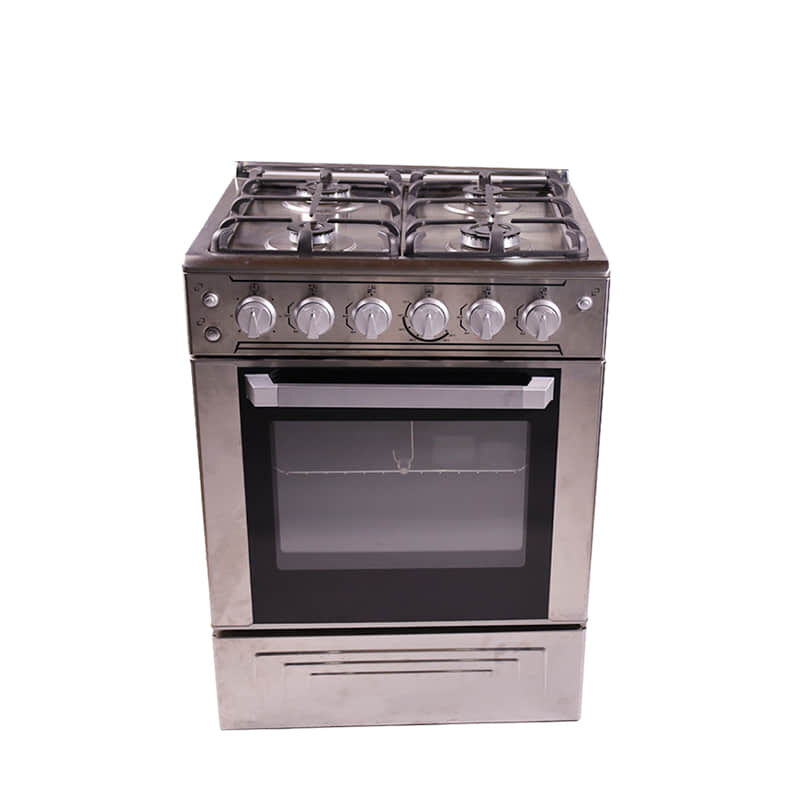
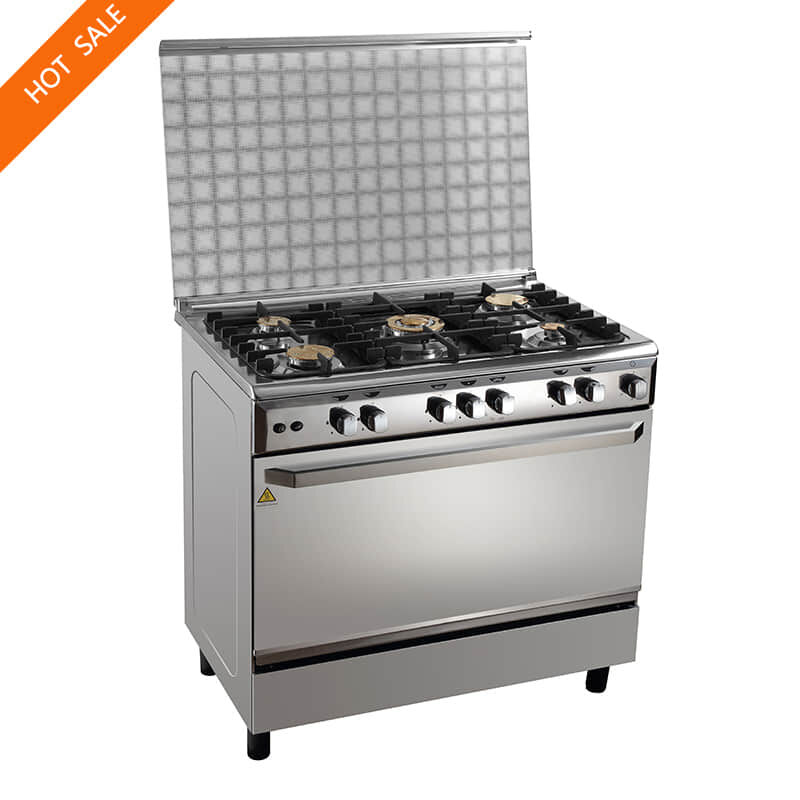
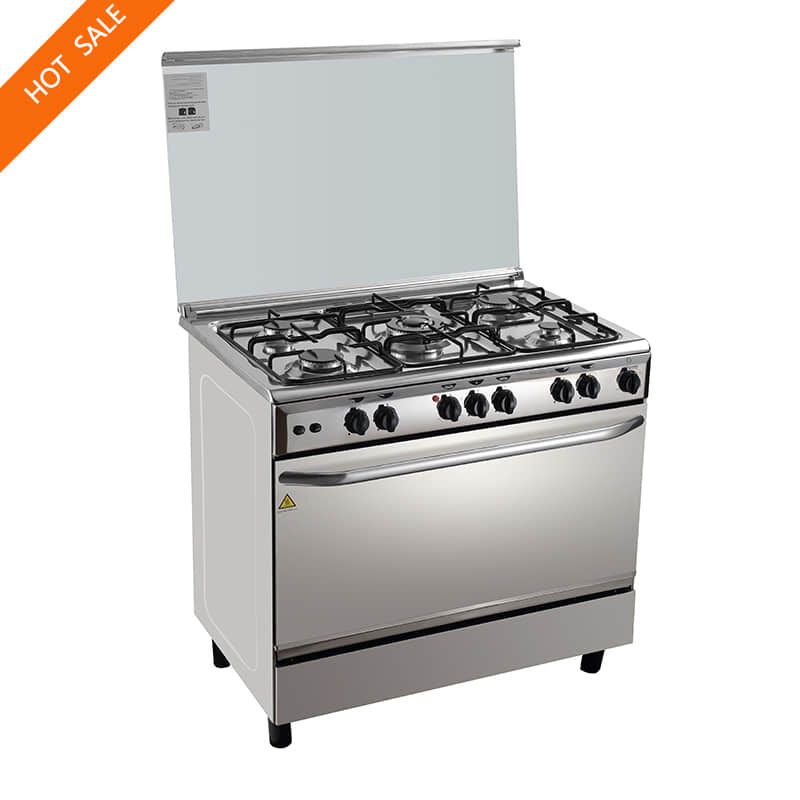
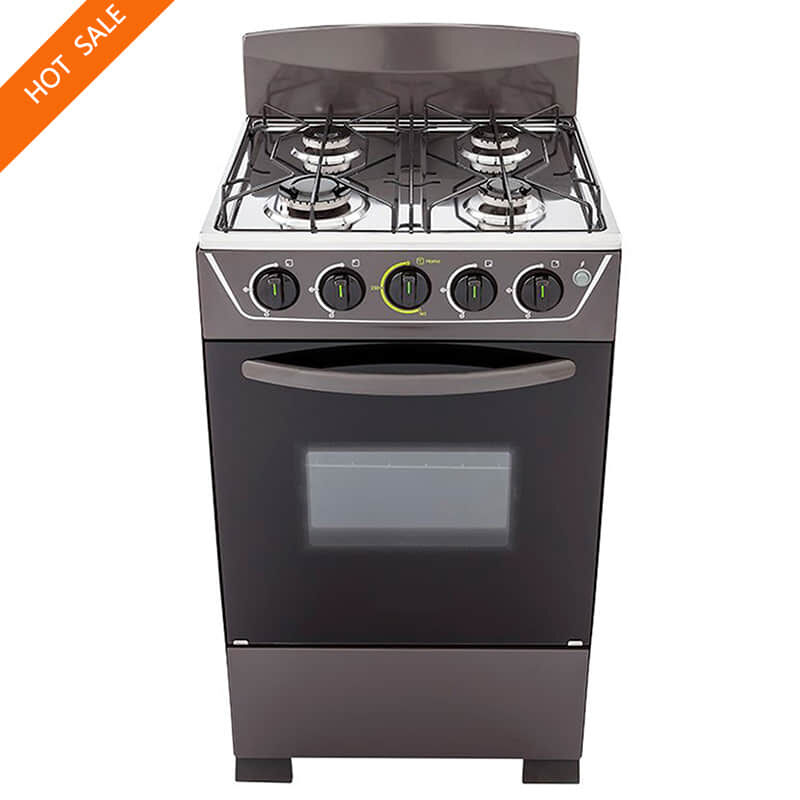
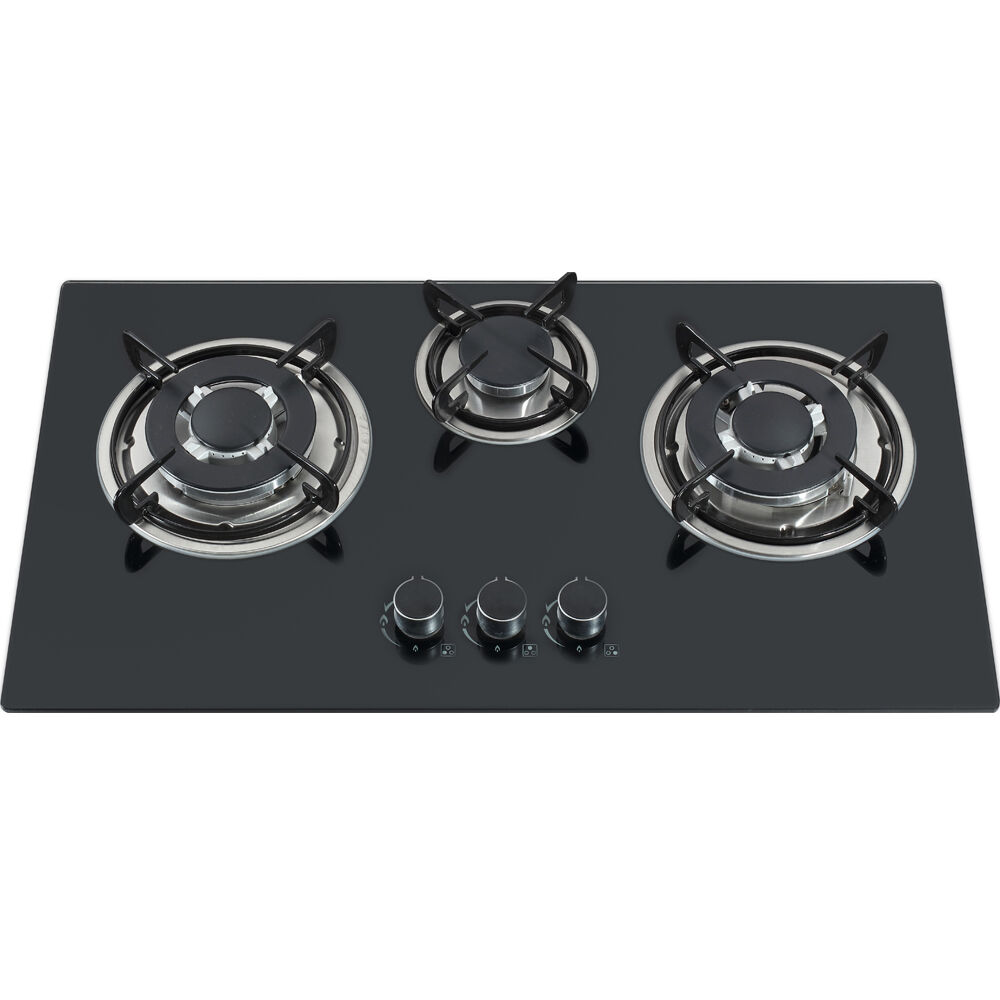
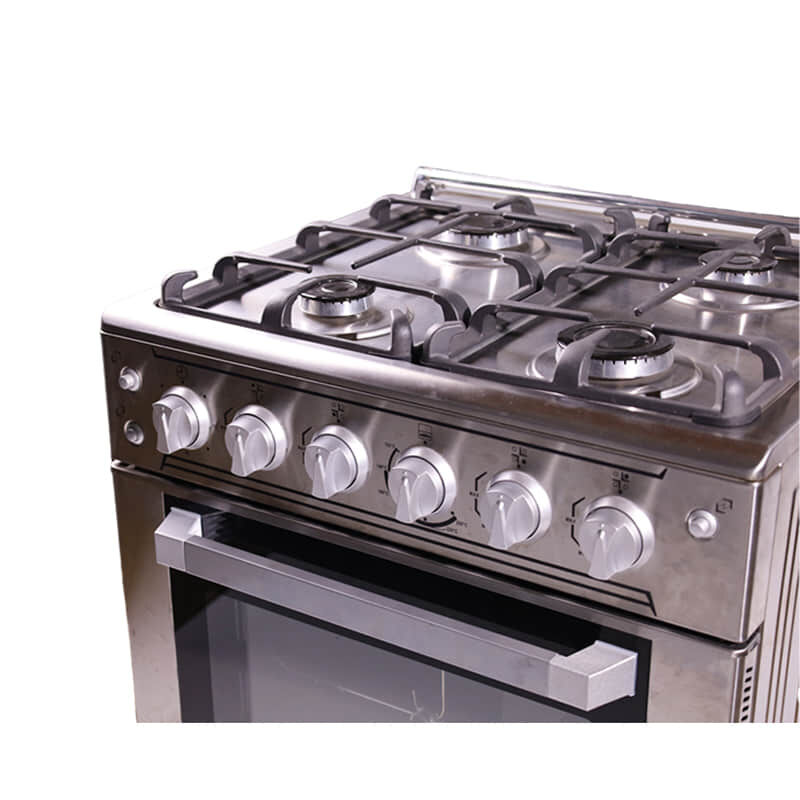
The stainless steel gas cooktop excels in providing unmatched heat control precision that elevates cooking results across all skill levels and culinary applications. Unlike electric cooktops that require heating and cooling time, this appliance delivers instantaneous flame adjustment that responds immediately to user input through precision-engineered control valves. Professional chefs consistently prefer gas cooking because flame intensity directly correlates with heat output, allowing for nuanced temperature management that makes the difference between perfectly caramelized onions and burnt vegetables. The visual flame indicator provides constant feedback about heating intensity, enabling cooks to make real-time adjustments based on observed cooking progress rather than relying on estimated settings. This immediate responsiveness proves particularly valuable for advanced cooking techniques such as flambéing, where precise timing and temperature control determine success or failure. The multi-ring burner design found on premium stainless steel gas cooktop models offers graduated heat zones, from powerful outer rings for rapid boiling to gentle inner flames for delicate sauces. This sophisticated heat distribution prevents hot spots while maintaining consistent temperature across the entire cooking surface. Temperature range capabilities extend from ultra-low simmer settings perfect for melting chocolate or keeping sauces warm to high-output burners that rival commercial kitchen equipment for searing meats or achieving restaurant-quality stir-frying results. The gas combustion process provides moist heat that prevents food from drying out during cooking, contrasting with the dry heat produced by electric elements. This moisture retention proves especially beneficial when preparing delicate proteins or vegetables that require gentle cooking methods. Wok cooking becomes authentic on the stainless steel gas cooktop, as the curved cookware receives even heating around its entire surface, impossible to achieve with flat electric cooking surfaces. The immediate heat cessation when flames extinguish provides safety benefits while preventing overcooking during critical cooking moments. Energy transfer efficiency reaches optimal levels, as flame heat transfers directly to cookware bottoms without intermediate heating elements that waste energy through heat loss to surrounding air.