 EN
EN
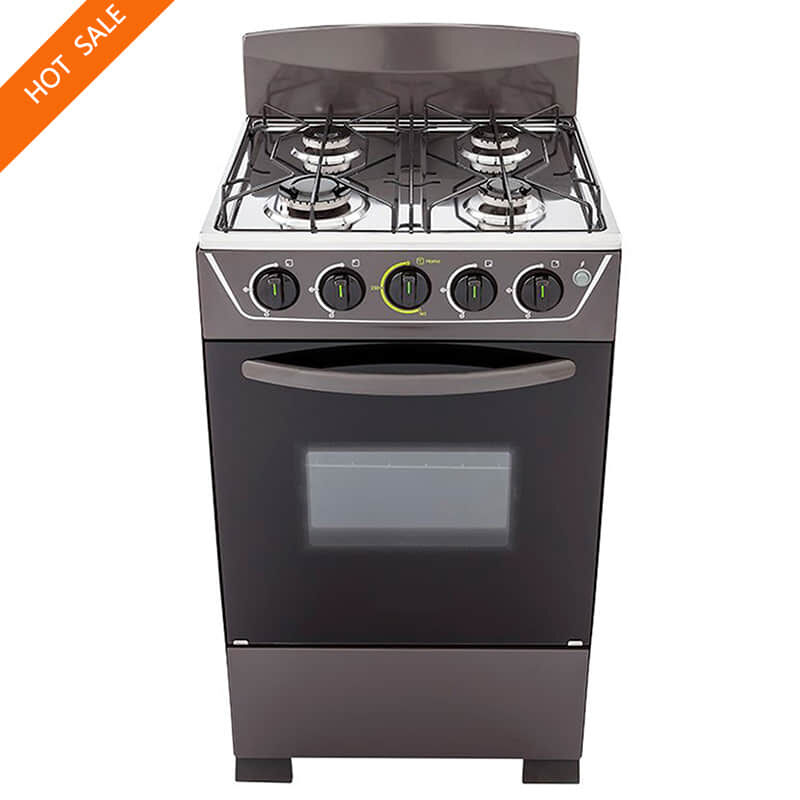
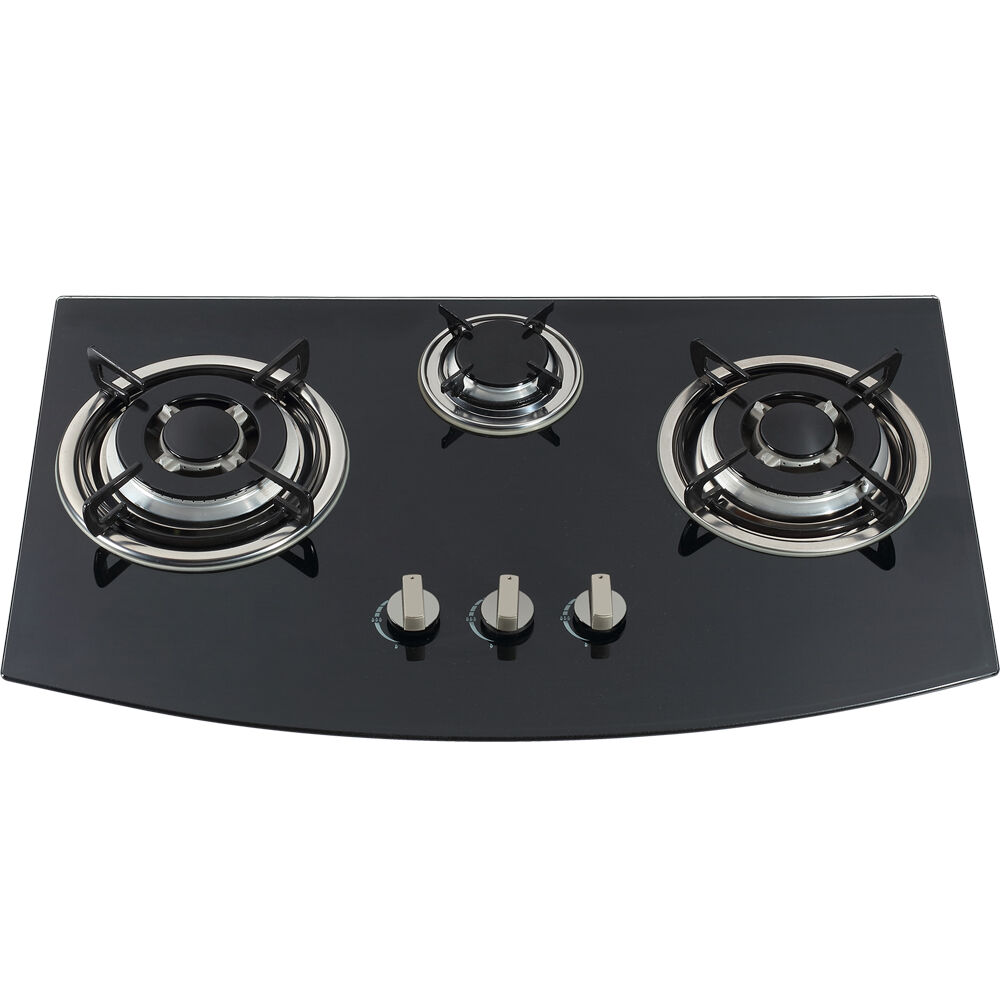
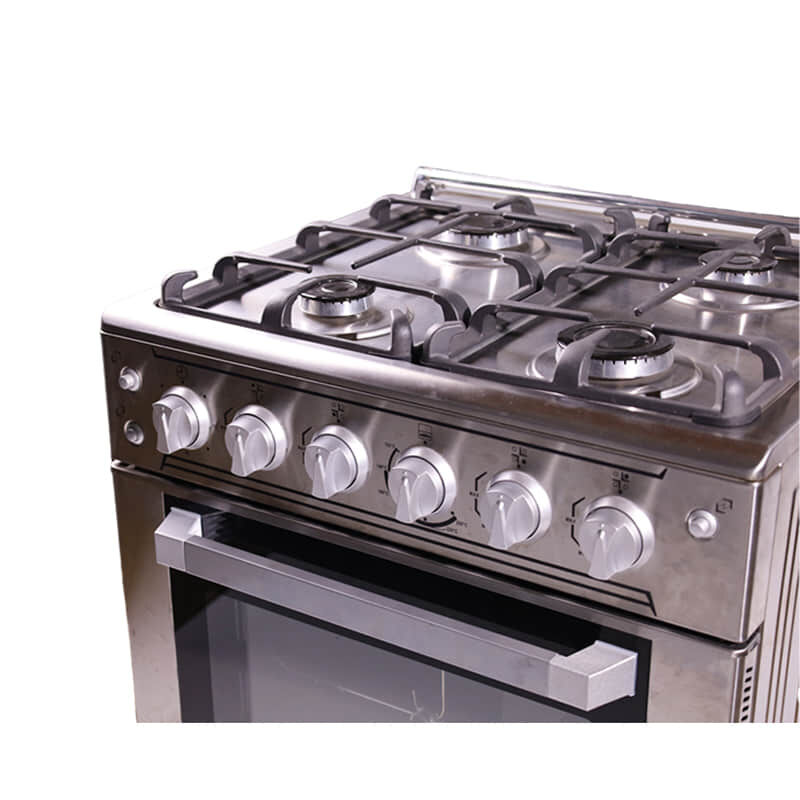
Advanced Safety Technology Integration
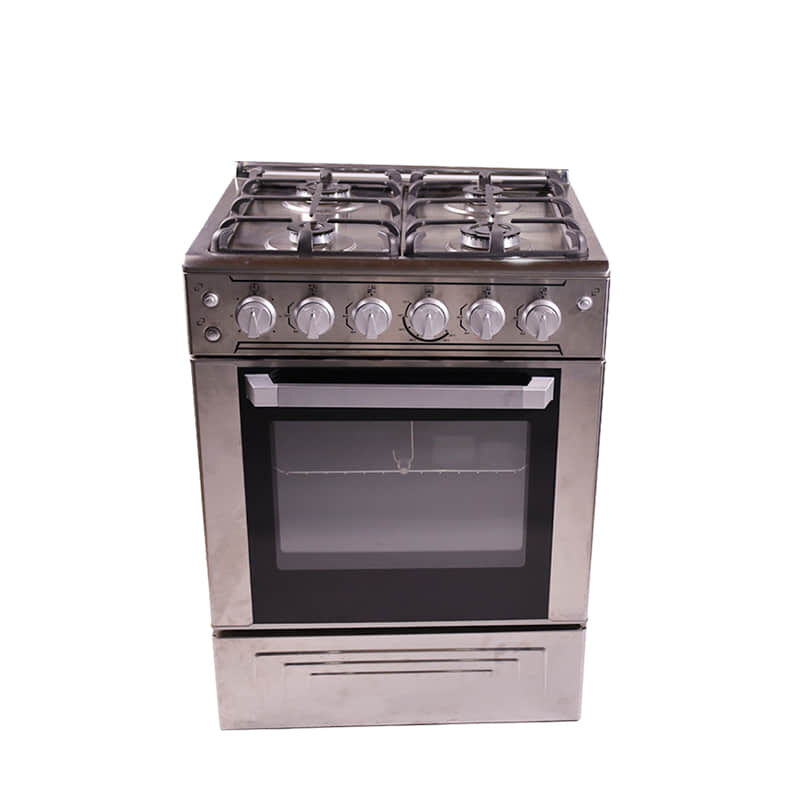
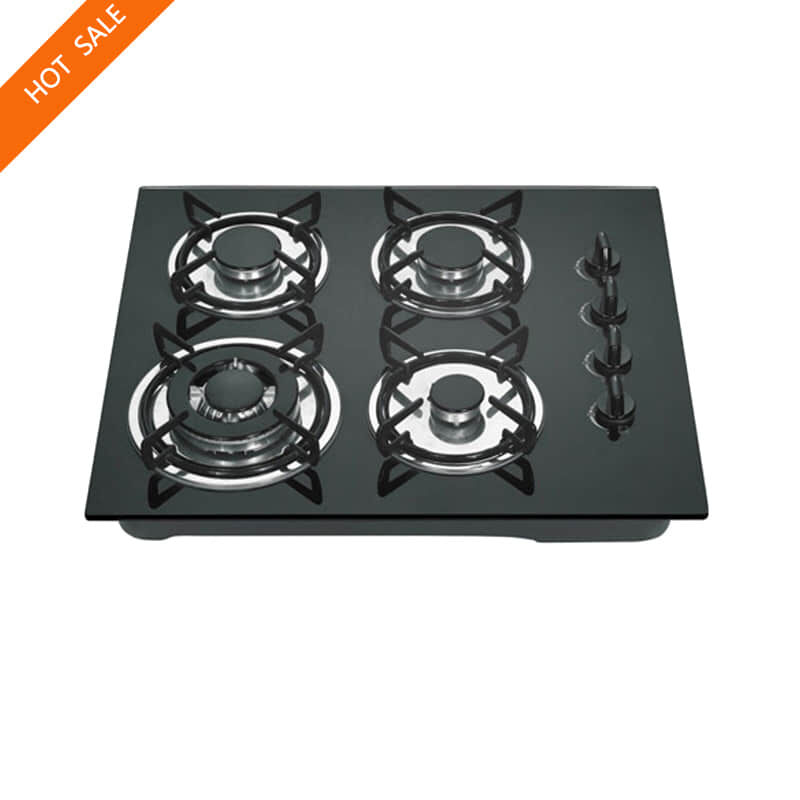
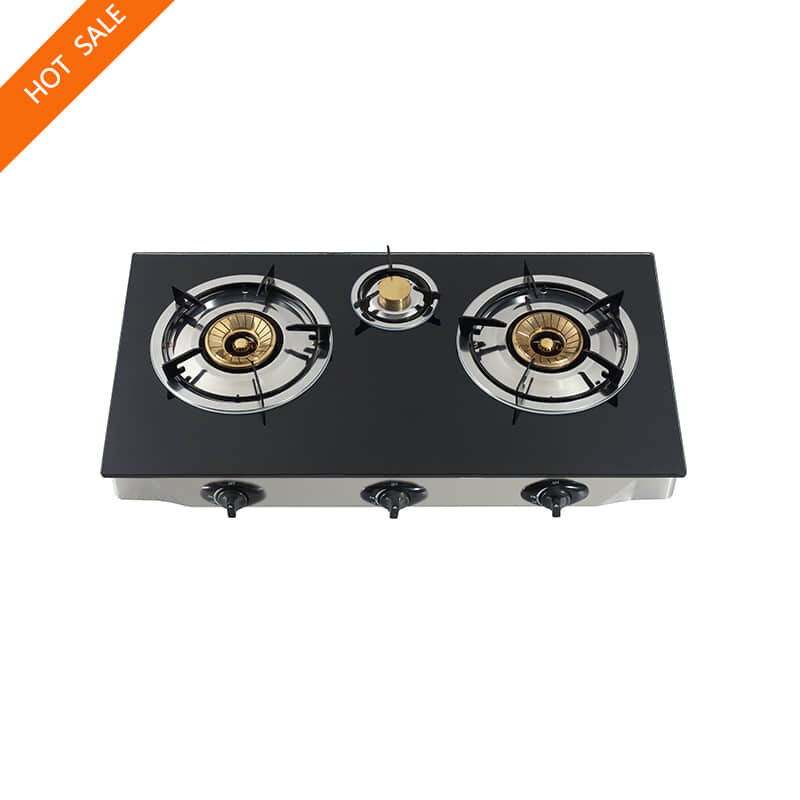
The stainless steel gas cooktop manufacturer prioritizes user safety through comprehensive integration of advanced safety technologies that protect families and properties from potential hazards. These sophisticated safety systems represent years of research and development, incorporating multiple layers of protection that work seamlessly together to prevent accidents. The flame failure safety device stands as the primary protection mechanism, automatically shutting off gas flow when flames are extinguished unexpectedly due to spills, drafts, or other circumstances. This critical feature prevents dangerous gas accumulation that could lead to explosions or carbon monoxide poisoning. Electronic ignition systems eliminate the need for pilot lights, reducing gas consumption and minimizing fire risks associated with continuous flames. The ignition technology provides reliable spark generation while incorporating safety interlocks that prevent gas flow without proper ignition. Child safety locks represent another essential feature, preventing curious children from accidentally activating burners or adjusting flame settings. These locks require specific manipulation sequences that adults can easily perform but children cannot accidentally trigger. Gas leak detection technology monitors for escaping gas and triggers automatic shut-off valves when dangerous levels are detected. This proactive approach prevents accumulation of combustible gases that could create hazardous situations. Overheat protection sensors monitor surface temperatures and reduce gas flow or shut down burners when excessive temperatures are reached, preventing damage to surrounding materials and reducing fire risks. The stainless steel construction itself contributes to safety by providing excellent heat dissipation and resistance to thermal damage. Quality manufacturers implement rigorous testing protocols to ensure all safety systems function correctly under various conditions, including extreme temperatures, vibration, and electrical interference. Certification by recognized safety organizations validates that these systems meet or exceed international safety standards. The integration of these technologies does not compromise cooking performance but enhances the overall user experience by providing confidence and peace of mind during meal preparation.