 EN
EN
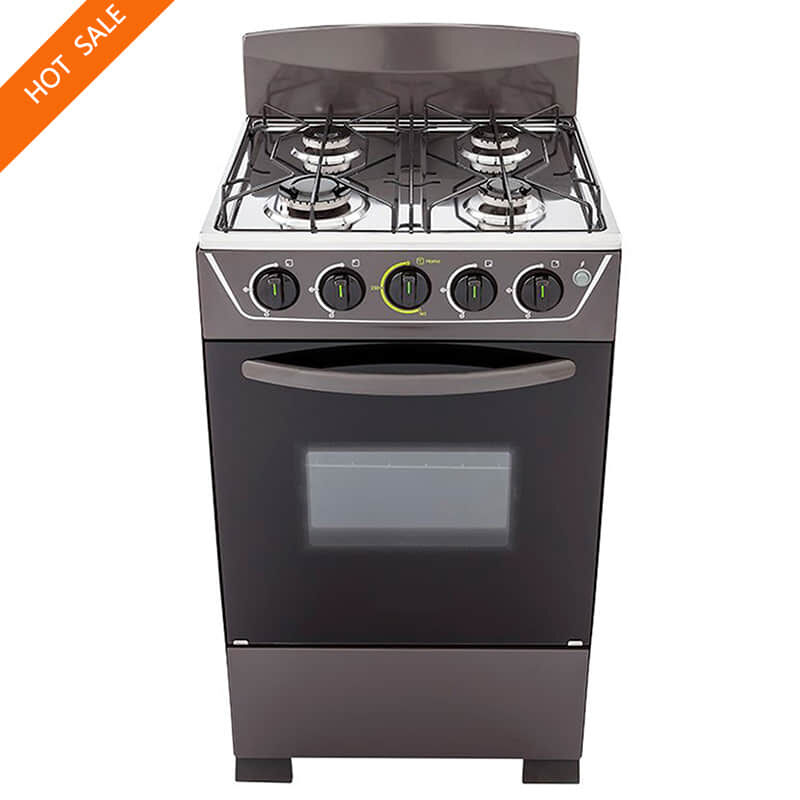
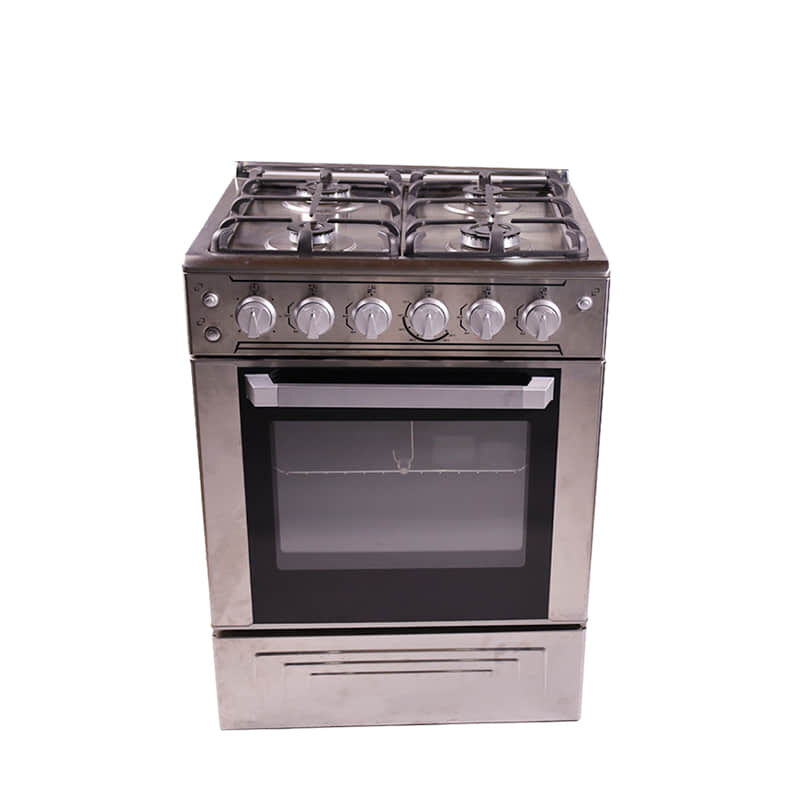
Superior Heat Resistance and Thermal Stability
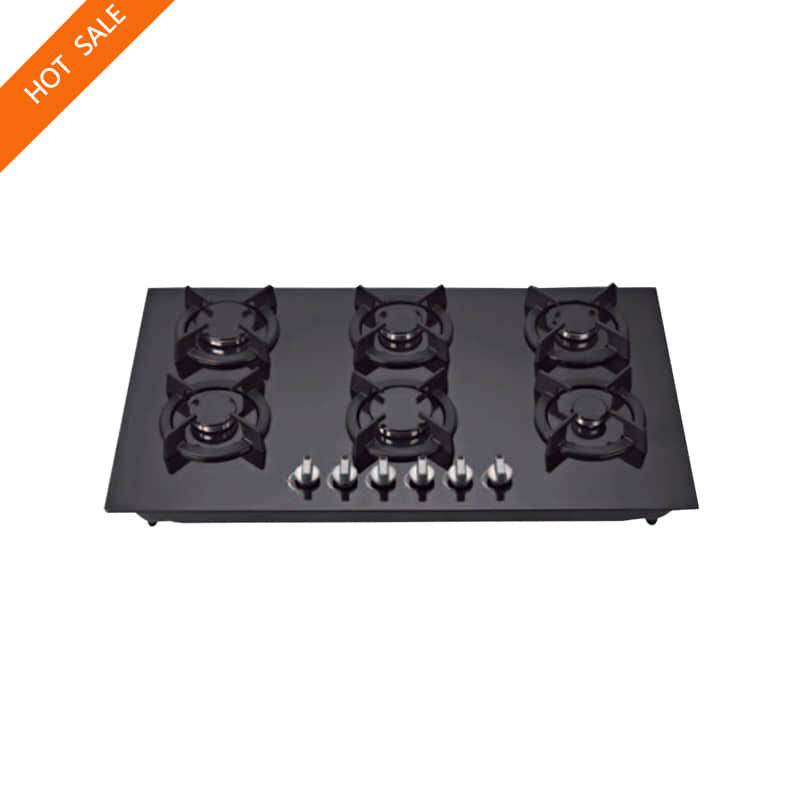
The tempered glass top gas stove demonstrates exceptional heat resistance and thermal stability through its advanced glass treatment process, making it an ideal choice for demanding cooking applications. The tempering process involves heating the glass to extremely high temperatures and then rapidly cooling it, creating internal stresses that significantly enhance its strength and thermal properties. This specialized treatment allows the tempered glass surface to withstand temperature variations of up to 300 degrees Celsius without cracking or compromising its structural integrity. The thermal stability of a tempered glass top gas stove ensures consistent performance even during intensive cooking sessions involving multiple burners operating simultaneously at maximum capacity. This remarkable heat resistance prevents thermal expansion and contraction issues that commonly affect other cooktop materials, eliminating the risk of warping, discoloration, or surface damage over time. The tempered glass construction maintains its clarity and smoothness even after prolonged exposure to high temperatures, preserving the aesthetic appeal that makes these stoves so desirable in modern kitchens. Professional culinary environments particularly benefit from this thermal stability, as commercial-grade cooking often involves continuous high-heat operations that would compromise lesser materials. The heat-resistant properties also contribute to energy efficiency, as the glass surface effectively contains and directs heat toward cookware rather than allowing it to dissipate into the surrounding environment. This thermal management capability ensures that more energy reaches the food being prepared, resulting in faster cooking times and reduced gas consumption. The tempered glass top gas stove's ability to handle sudden temperature changes makes it perfect for various cooking techniques, from flash-searing meats to gentle simmering of delicate sauces. The thermal shock resistance prevents cracking when cold cookware is placed on hot surfaces or when liquid spills occur during cooking. This durability extends the lifespan of the appliance significantly, providing excellent return on investment for both residential and commercial users who demand reliable, long-lasting cooking equipment.