
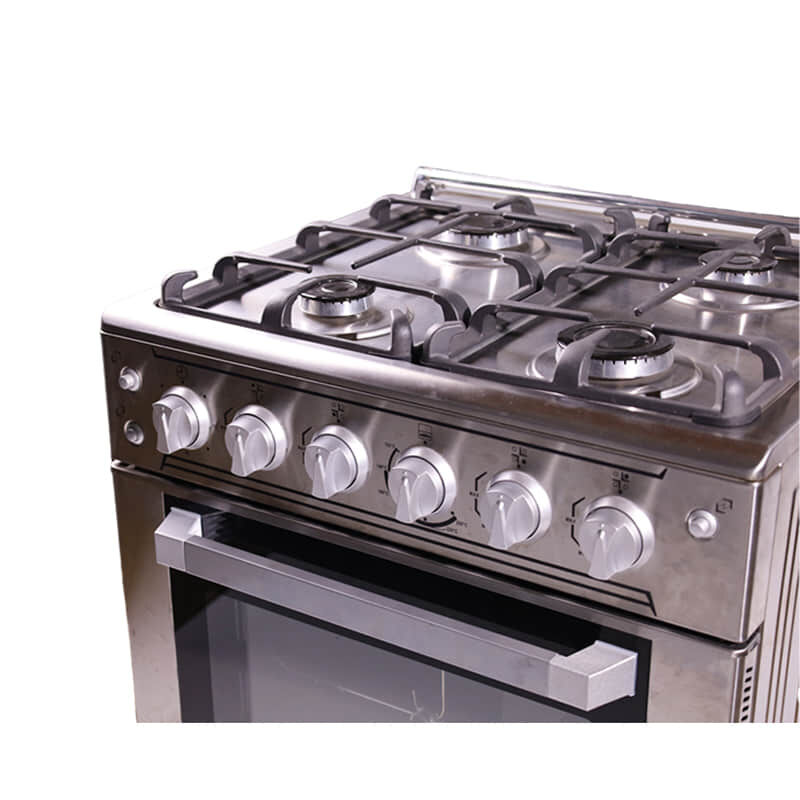
Professional Gas Stoves: Instant Heat Control, Cost Savings & Superior Cooking Performance

All Categories

gas stove

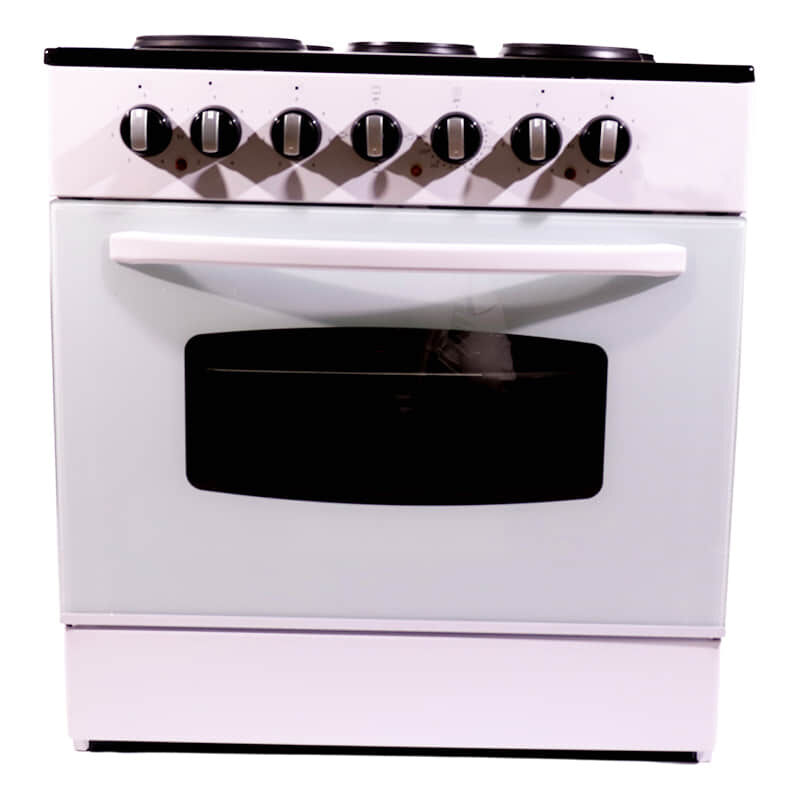
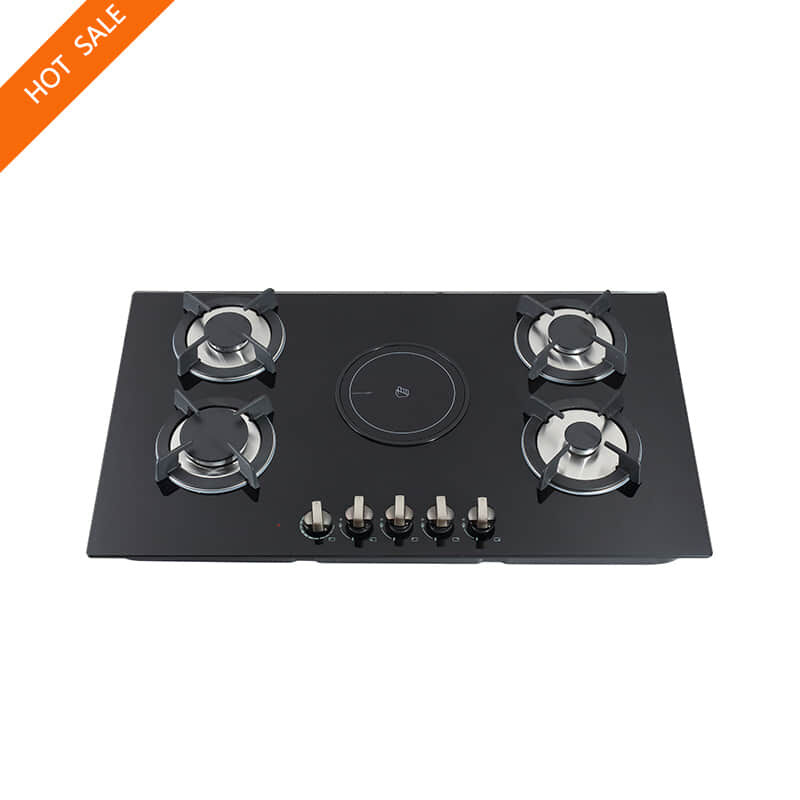
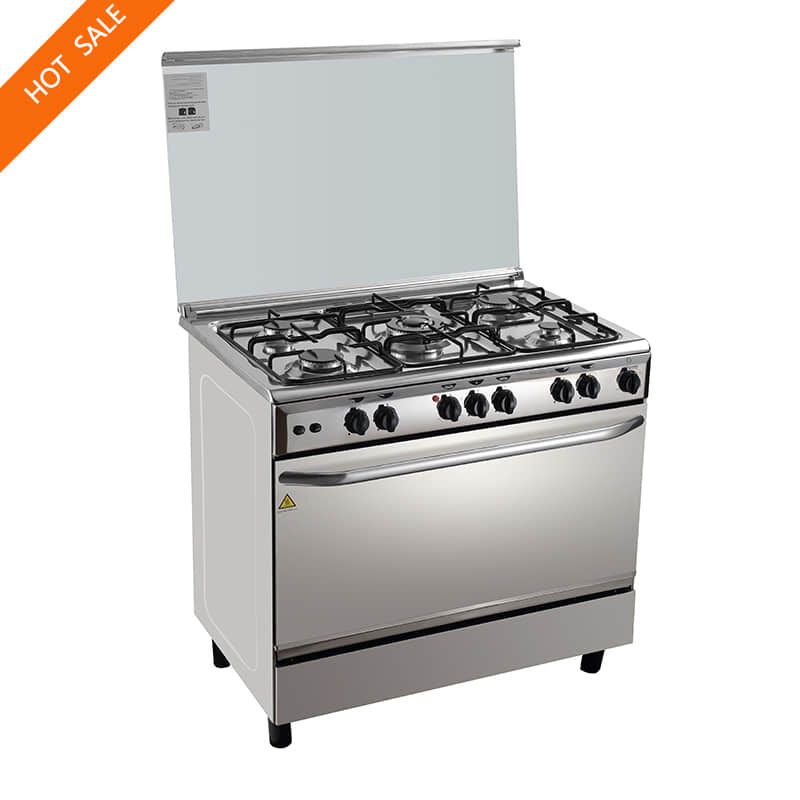
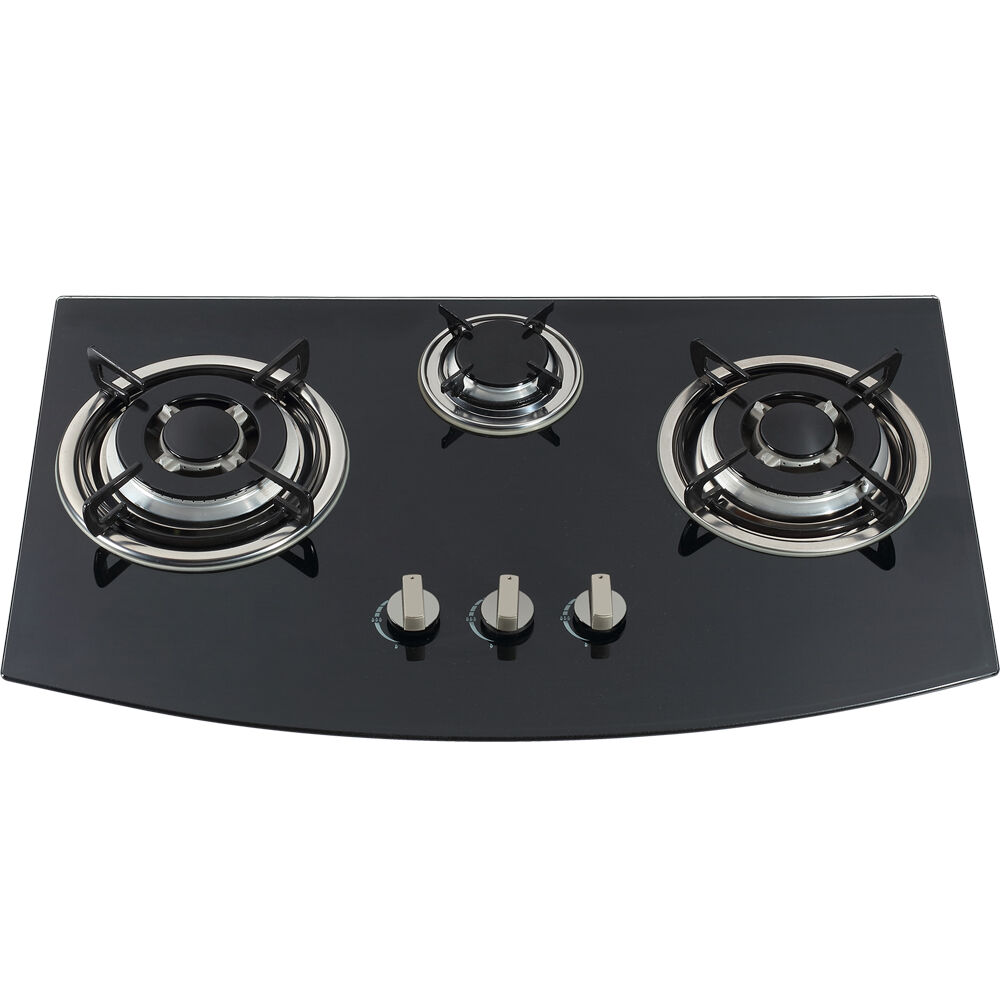
A gas stove represents one of the most essential cooking appliances in modern kitchens, utilizing natural gas or propane as its primary fuel source to generate controlled flames for cooking purposes. This versatile cooking equipment features multiple burners arranged on a flat cooking surface, each equipped with individual control knobs that allow precise flame adjustment from low simmer to high heat. The gas stove operates through a sophisticated ignition system, typically featuring either pilot lights or electronic ignition mechanisms that create sparks to ignite the gas flow safely and efficiently. The technological foundation of a gas stove includes gas valves, burner assemblies, drip pans, and safety features designed to prevent gas leaks and ensure optimal performance. Modern gas stoves incorporate advanced features such as sealed burners that prevent spills from reaching internal components, continuous grates that provide stable cooking surfaces, and varying BTU outputs across different burners to accommodate diverse cooking needs. The primary functions extend beyond basic heating to include precise temperature control, instant heat adjustment, and compatibility with various cookware materials including cast iron, stainless steel, and aluminum. Applications for gas stoves span residential kitchens, commercial restaurants, outdoor cooking spaces, and professional culinary environments where immediate heat response and superior flame control are paramount. The design variations include freestanding models, slide-in configurations, and cooktop-only versions that integrate seamlessly with existing kitchen layouts. Safety mechanisms incorporated into contemporary gas stove designs include automatic shut-off valves, flame failure devices, and child safety locks that enhance user protection during operation. The fuel delivery system connects directly to household gas lines or portable propane tanks, providing consistent energy supply for extended cooking sessions without electrical dependencies, making gas stoves particularly valuable during power outages or in locations with unreliable electrical infrastructure.

New Product Recommendations

Gas stoves deliver immediate heat control that surpasses electric alternatives, allowing cooks to achieve precise temperature adjustments within seconds of turning the control knobs. This instantaneous response eliminates the waiting time associated with electric coils or ceramic surfaces, enabling more efficient meal preparation and better cooking results. The visual flame indicator provides clear feedback about heat levels, helping users gauge cooking intensity without guessing or relying on indicator lights. Cost efficiency stands as another significant advantage, as natural gas typically costs less per BTU than electricity in most regions, resulting in lower monthly utility bills for households that cook frequently. The superior heat distribution from gas flames creates more even cooking temperatures across cookware surfaces, particularly beneficial for techniques requiring consistent heat such as searing, sautéing, and stir-frying. Professional chefs consistently prefer gas stoves because the open flame allows direct interaction with food, enabling techniques like charring vegetables or flambéing that electric surfaces cannot accommodate. Reliability during power outages ensures continued cooking capability, as gas stoves with pilot lights or manual ignition systems operate independently of electrical supply, providing essential functionality during emergencies or infrastructure disruptions. The compatibility with diverse cookware materials gives users flexibility in choosing pots and pans, from traditional cast iron to specialized woks, without concerns about magnetic compatibility or surface damage that can occur with induction or glass-top electric stoves. Maintenance requirements remain relatively simple, involving basic cleaning of burner grates and drip pans without complex electronic components that might require professional servicing. The longevity of gas stoves typically exceeds electric models due to fewer mechanical and electronic parts subject to wear, making them excellent long-term investments for homeowners. Environmental considerations vary by region, but in areas where natural gas comes from cleaner sources, gas stoves can produce lower overall carbon footprints compared to electric stoves powered by coal-generated electricity. Temperature precision enables advanced cooking techniques such as gentle simmering for delicate sauces or high-heat searing for perfect steaks, giving home cooks professional-level control over their culinary creations. The absence of residual heat after turning off gas burners provides immediate temperature reduction, preventing overcooking and allowing more precise timing in complex recipes requiring multiple cooking stages.

Latest News

Holden has actively participated in the Canton Fair

06

Nov

Holden has actively participated in the Canton Fair

View More
Holden updates stoves with new packaging

21

Nov

Holden updates stoves with new packaging

View More
A new generation of stoves from Holden

11

Nov

A new generation of stoves from Holden

View More

Get a Free Quote

Our representative will contact you soon.
Email
Name
Company Name
Quantity
Message
0/1000

gas stove

Instant Heat Control and Professional Cooking Performance

Instant Heat Control and Professional Cooking Performance

The instant heat control capability of a gas stove revolutionizes the cooking experience by providing immediate temperature response that professional chefs demand and home cooks appreciate. Unlike electric alternatives that require warming up time, a gas stove delivers full heat output within seconds of ignition, allowing users to transition seamlessly between high-heat searing and gentle simmering without delay. This immediate responsiveness becomes particularly valuable during complex cooking processes where timing is critical, such as preparing delicate sauces that require precise temperature control or executing stir-fry techniques where rapid heat adjustments prevent overcooking. The visual flame provides instant feedback about heat intensity, enabling cooks to make real-time adjustments based on visual cues rather than relying on guesswork or electronic displays. This direct flame contact with cookware creates superior heat transfer efficiency, distributing thermal energy more evenly across pan surfaces compared to electric coils or induction heating elements. Professional culinary techniques such as flambéing, charring, and direct flame roasting become accessible to home cooks, expanding their culinary repertoire beyond what electric stoves can accommodate. The precision offered by gas flame control allows for techniques like maintaining steady simmers for stocks and broths, achieving perfect caramelization for onions and vegetables, and executing temperature-sensitive preparations like hollandaise sauce or chocolate tempering. The gas stove flame pattern creates optimal heat zones within cookware, enabling techniques such as using wok hei in Asian cooking or achieving restaurant-quality sears on proteins. This professional-grade performance translates into better cooking results, enhanced flavors, and increased confidence in the kitchen, making every meal preparation more enjoyable and successful. The ability to instantly turn off heat prevents carryover cooking, giving users precise control over doneness levels and preventing the frustration of overcooked dishes that can occur with electric surfaces that retain heat after being turned off.
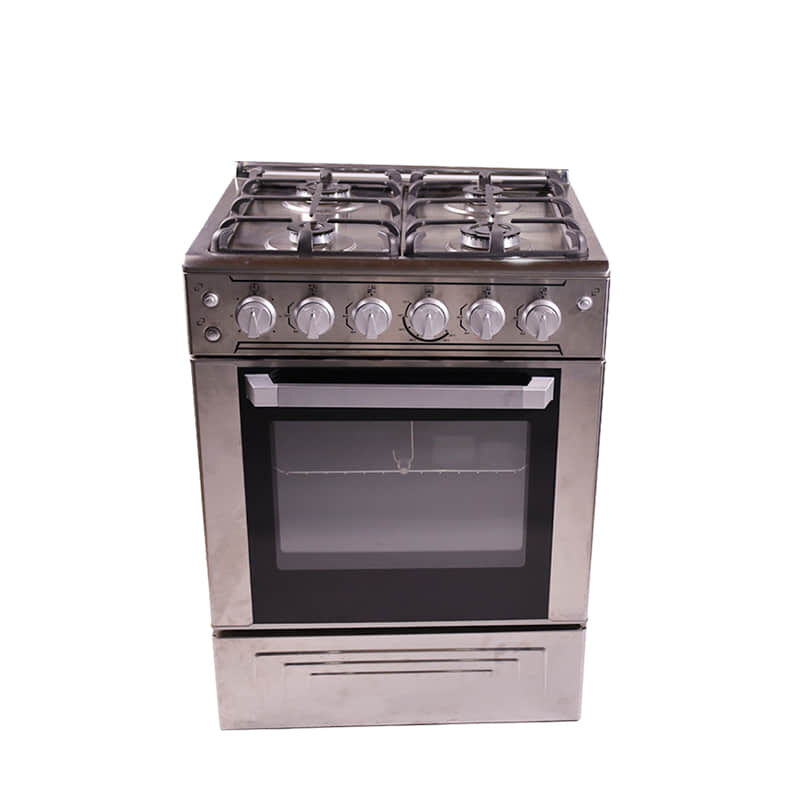
Economic Efficiency and Cost-Effective Operation

Economic Efficiency and Cost-Effective Operation

The economic advantages of a gas stove extend far beyond the initial purchase price, offering substantial long-term savings through efficient fuel consumption and lower operational costs. Natural gas consistently ranks as one of the most cost-effective energy sources for residential cooking, typically costing 50-70% less per BTU compared to electricity in most regions, resulting in significant monthly utility bill reductions for households that cook regularly. This cost efficiency becomes even more pronounced for families who prepare multiple meals daily or engage in extensive cooking and baking activities. The direct heat transfer from gas flames to cookware eliminates energy losses associated with electric heating elements, ensuring that more of the purchased energy actually reaches the food rather than being wasted through intermediate conversion processes. Gas stoves also demonstrate remarkable durability and longevity, often lasting 15-20 years with proper maintenance, compared to electric stoves that may require replacement every 10-13 years due to heating element failures or electronic control issues. The simplicity of gas stove mechanics means fewer components can malfunction, reducing repair costs and the need for expensive service calls that electric models with complex electronic controls might require. During peak electricity demand periods when utility rates increase, gas stoves maintain consistent fuel costs unaffected by electrical grid pricing fluctuations, providing predictable cooking expenses year-round. The independence from electrical supply during power outages means families can continue cooking normal meals without resorting to expensive alternative cooking methods or costly restaurant meals during extended outages. Additionally, many utility companies offer rebates and incentives for gas appliance installations, further reducing the initial investment cost while promoting energy efficiency. The resale value of homes equipped with gas stoves often exceeds those with electric cooking appliances, as buyers recognize the operational advantages and cost savings associated with gas cooking. Insurance costs may also be lower for gas stoves in some regions, as they present fewer electrical fire risks compared to electric appliances with heating elements and complex wiring systems that can malfunction over time.
Versatility and Superior Cooking Capabilities

Versatility and Superior Cooking Capabilities

The versatility of a gas stove surpasses other cooking appliances through its ability to accommodate diverse cooking methods, cookware types, and culinary techniques that would be impossible or impractical with electric alternatives. This adaptability stems from the open flame design that works equally well with cast iron skillets, carbon steel woks, stainless steel saucepans, and even delicate copper cookware without concerns about magnetic compatibility or surface damage. The range of heat outputs available on quality gas stoves, from gentle 500 BTU simmer burners to powerful 18,000 BTU high-heat burners, enables everything from melting chocolate and warming sauces to rapid boiling and intense searing in a single appliance. Specialized cooking techniques become accessible, including the ability to char vegetables directly over the flame, toast spices and nuts for enhanced flavors, and roast peppers until their skins blister perfectly for easy peeling. The gas stove accommodates unusual cookware shapes and sizes that might not work effectively on flat electric surfaces, such as round-bottom woks essential for authentic Asian cooking, large stockpots for canning and batch cooking, and specialty items like comal griddles for tortilla making. Outdoor cooking enthusiasts appreciate that gas stove skills transfer directly to gas grills and portable camping stoves, creating consistency in cooking methods across different environments. The ability to adjust flame size allows for creative cooking arrangements, such as using oversized pans that extend beyond burner boundaries while still receiving adequate heat, or cooking multiple small items simultaneously on different areas of large skillets. Temperature responsiveness enables complex cooking sequences within single dishes, such as starting proteins at high heat for browning then immediately reducing to low heat for gentle finishing, all without transferring between different appliances or waiting for temperature changes. The gas stove supports traditional cooking methods from various cultures, from Indian tandoor-style high-heat cooking to French sauce-making techniques requiring precise temperature control, making it an ideal choice for adventurous home cooks exploring international cuisines. This versatility extends to baking support, as many gas stoves include ovens that provide moist heat ideal for bread baking and roasting, creating a complete cooking solution that handles every culinary challenge with professional-level capability and reliability.

Get a Free Quote

Our representative will contact you soon.
Email
Name
Company Name
Quantity
Message
0/1000