 EN
EN
Instant Temperature Control and Responsive Cooking Performance
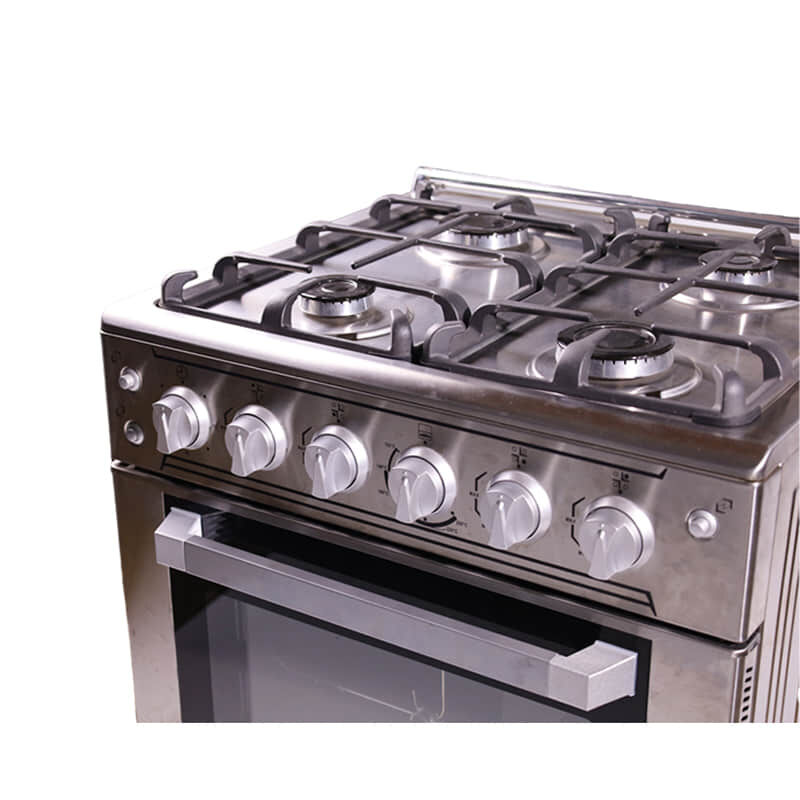
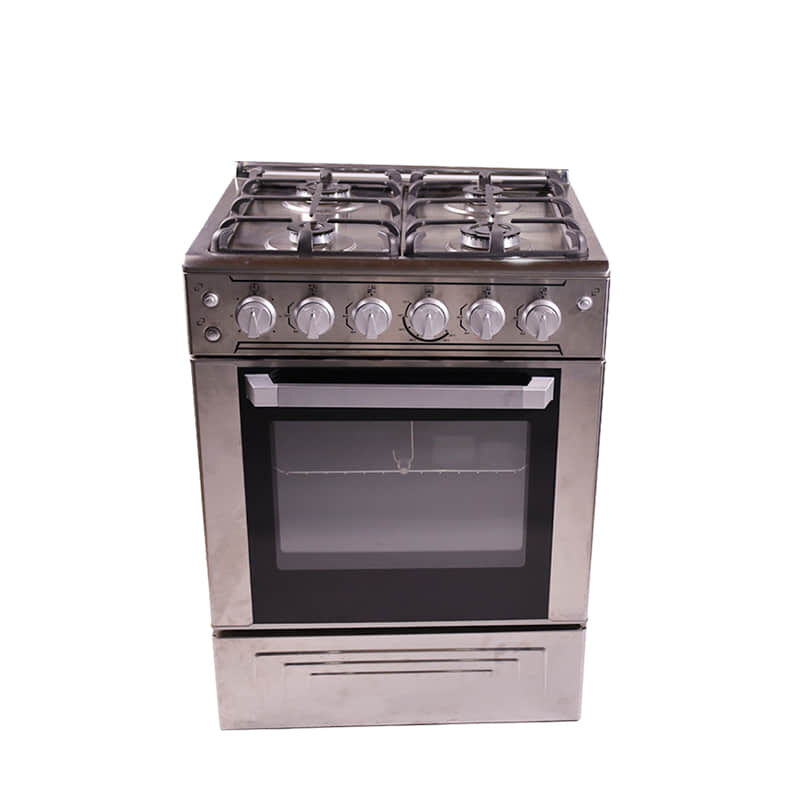
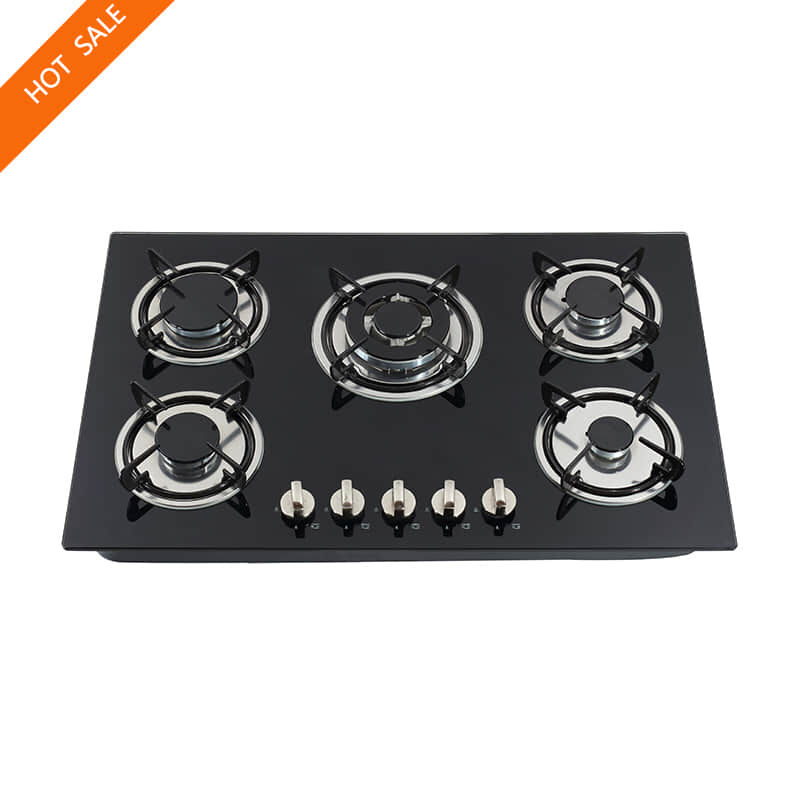
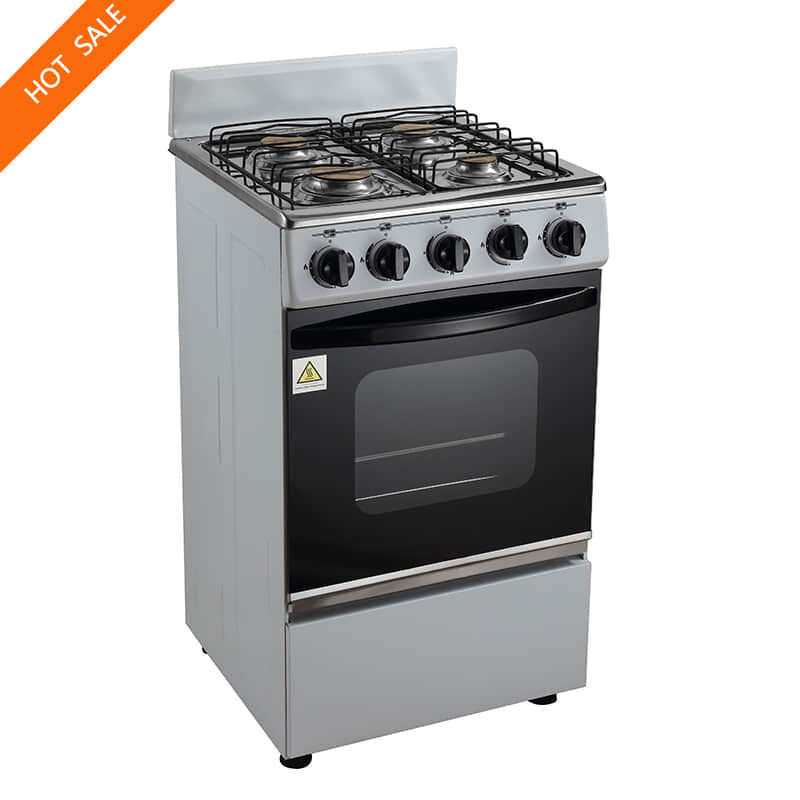
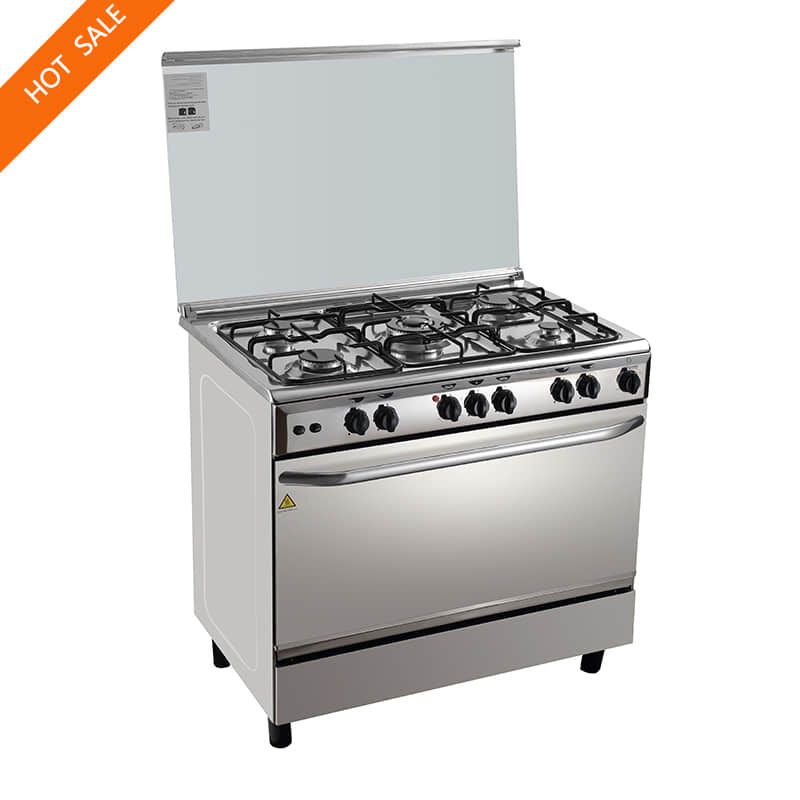
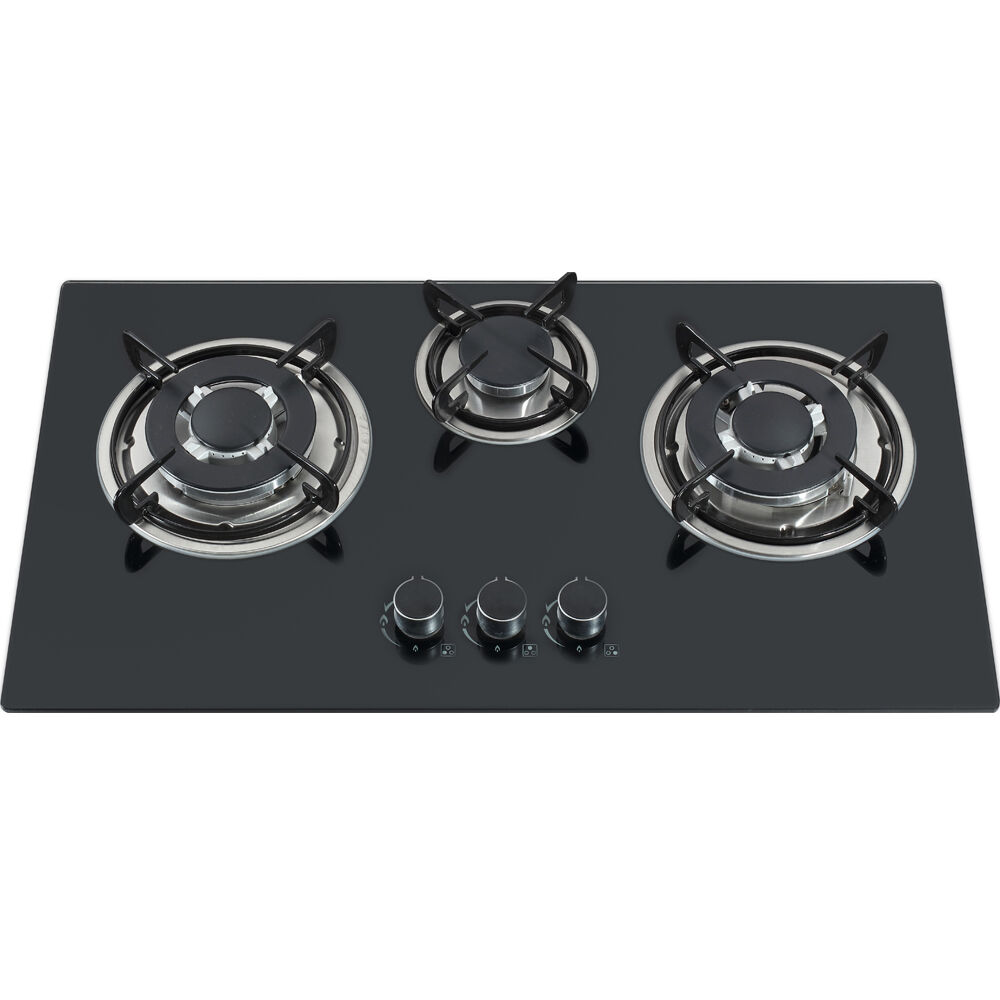
The standout feature of any modern gas cooker lies in its unmatched ability to provide immediate and precise temperature control that responds instantly to user adjustments, revolutionizing the cooking experience for both novice home cooks and seasoned culinary professionals. Unlike electric alternatives that require significant time to heat up or cool down, a gas cooker delivers instantaneous flame adjustment that allows cooks to transition seamlessly between high-heat searing and gentle simmering within seconds. This responsive control mechanism proves particularly valuable when preparing complex dishes that demand precise timing and temperature management, such as delicate sauces that require immediate heat reduction to prevent curdling or separation. Professional kitchens worldwide rely on gas cookers specifically for this temperature responsiveness, enabling chefs to execute demanding culinary techniques that require split-second adjustments during critical cooking moments. The visual feedback provided by adjustable flames creates an intuitive cooking environment where users can gauge heat intensity through flame characteristics, developing a natural understanding of optimal cooking temperatures for different ingredients and techniques. This immediate temperature control extends beyond the cooktop to the oven compartment, where gas-powered heating systems provide rapid preheating capabilities that significantly reduce cooking preparation time compared to electric ovens. Advanced gas cooker models incorporate sophisticated flame control technology that maintains consistent gas pressure across all burners simultaneously, ensuring reliable performance even when multiple cooking zones operate at maximum capacity. The precision achievable through gas flame adjustment enables specialized cooking methods such as wok cooking, which requires intense heat followed by rapid temperature reduction, or French cooking techniques that demand subtle temperature variations throughout the preparation process. Energy efficiency benefits emerge from this responsive control system, as gas consumption occurs only when flames are active, eliminating the energy waste associated with electric heating elements that continue consuming power during temperature transitions. The practical implications of instant temperature control extend to food safety considerations, allowing cooks to quickly reduce heat when foods approach overcooking points or rapidly increase temperature when proper cooking temperatures must be achieved for food safety compliance.